
Last updated November 22, 2026
 Sweep & inspection
 Caps & crowns
 Flue relining
 Masonry repair
 Gas fireplace service
Level 1 sweep and inspection to the NFPA 211 annual standard - flue, crown, cap, and flashing checked and photographed
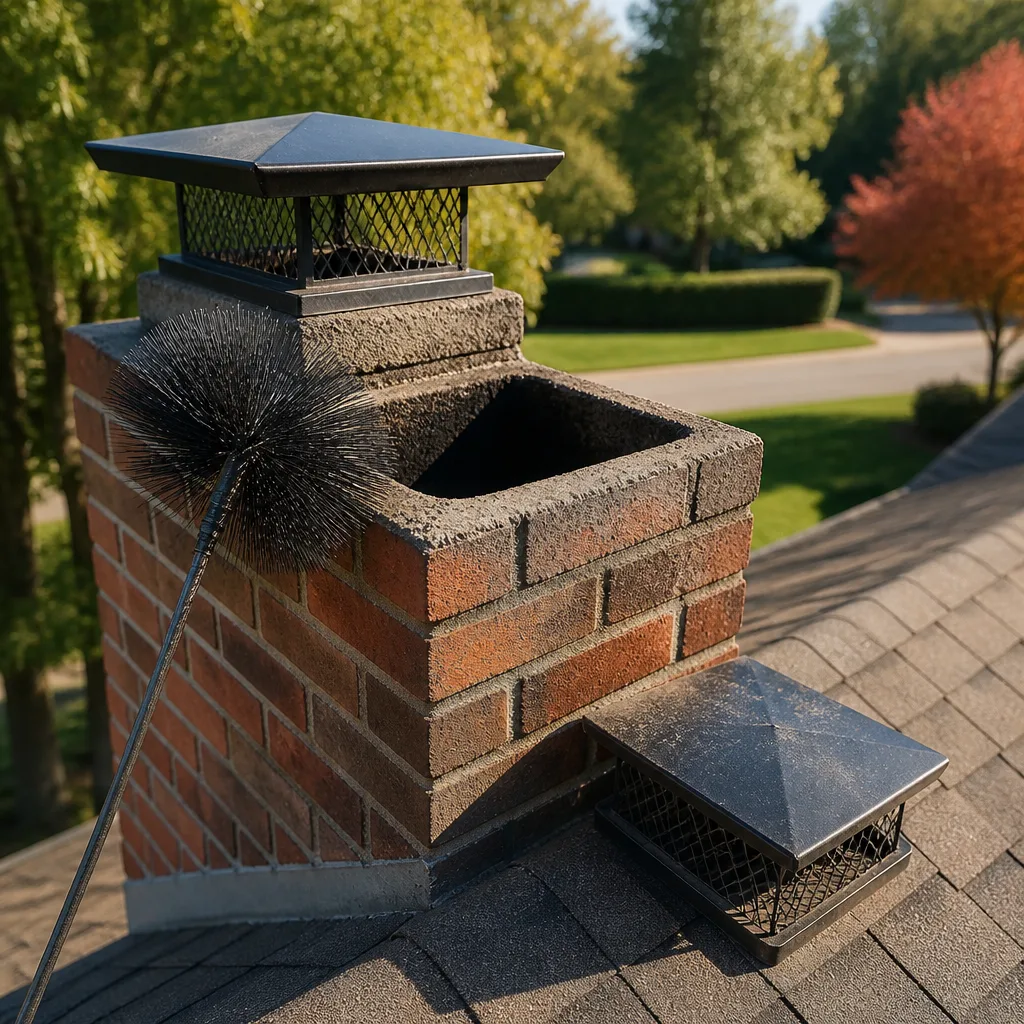
Chimney sweep logs do not sweep chimneys. They loosen some creosote - which then falls where a brush and vacuum still have to collect it.
Chimney Cleaning Permits, Codes & Inspections in Tacony, PA: What You Need to Know
Here’s the part most homeowners get wrong: a routine chimney sweep in Tacony almost never needs a permit, but the moment someone swaps out your flue liner or rebuilds a firebox, Philadelphia’s building code applies and the work needs to be signed off. That gap between “cleaning” and “alteration” is where people get hurt. Skip the permit on a liner job and you can end up with work your insurance company won’t stand behind if there’s ever a fire. This guide walks through what Pennsylvania’s code actually says, which chimney jobs need a permit in Tacony, how to verify one was pulled, and when a Level 2 inspection is required rather than optional.
Quick Answer
Routine chimney cleaning and sweeping in Tacony don’t require a permit. Any work that alters the chimney system – liner replacement, firebox reconstruction, changing an appliance connector, or relining a flue – generally requires a permit through Philadelphia’s Department of Licenses & Inspections (L&I), because that’s the code authority for Tacony. Inspections themselves don’t need a permit, but a Level 2 inspection is legally required at a property sale, after an appliance change, or following a chimney fire, and PA code references NFPA 211 as the standard inspectors work from.
Styles & brands we work with
- Sweep & inspection
- Caps & crowns
- Flue relining
- Masonry repair
- Gas fireplace service
Table of Contents
- Maintenance vs. Alteration: The Distinction That Decides Everything
- Which Chimney Work Needs a Permit in Tacony?
- Pennsylvania UCC Chapter 27 and Chimney Work
- NFPA 211: The Standard Behind Every PA Inspection
- What a Code-Compliant Level 2 Inspection Covers
- How to Verify a Contractor Pulled a Permit in Tacony
- What Happens If Work Goes Unpermitted
- Checklist for Hiring a Chimney Contractor in Tacony
Maintenance vs. Alteration: The Distinction That Decides Everything
Almost every permit question about chimney work in Tacony comes down to one word: alteration. Sweeping is maintenance. Relining is alteration. The code treats them differently for good reason.
Maintenance is what keeps a chimney working as designed – brushing the flue, removing creosote, checking the cap, sweeping the firebox. None of that changes the geometry or the materials of the system, so it doesn’t trigger a permit. You can sweep a flue as often as you like without telling the city.
Alteration means the chimney has been changed. That includes:
- Replacing a clay tile flue liner with a stainless steel flexible liner
- Rebuilding a firebox or firebox surround
- Modifying or replacing an appliance connector
- Adding a new appliance to an existing flue (for example, swapping a wood stove for a gas insert)
- Structural changes to the chimney chase, crown, or cap assembly that affect the flue
Those items fall under building and mechanical code, and in Tacony that means the City of Philadelphia. We’ve seen the consequences firsthand: homeowners who had a liner installed without a permit end up discovering the problem years later during a home inspection or an insurance claim. Call Chimney Sweep Tacony‘s team before any alteration job begins if you’re uncertain where a given task falls.
The practical rule: if the work involves changing the materials, size, or routing of the flue or the firebox, treat it as alteration. If the work only removes buildup from a system that’s already in place, treat it as maintenance. When you’re on the fence, ask the L&I permit office to classify the specific job. It’s a five-minute phone call that protects you for years.
Which Chimney Work Needs a Permit in Tacony?
Tacony sits inside Philadelphia city limits, so the permit authority for chimney work here is the Department of Licenses & Inspections. L&I issues two categories of permits that matter to chimney work: mechanical permits and building permits. Which one you need depends on the scope.
Here’s a breakdown by job type:
- Annual chimney sweep – no permit. This is maintenance.
- Chimney cap and crown repair – usually no permit unless the crown rebuild changes structural framing. Minor crown repair and cap replacement are typically handled as repairs.
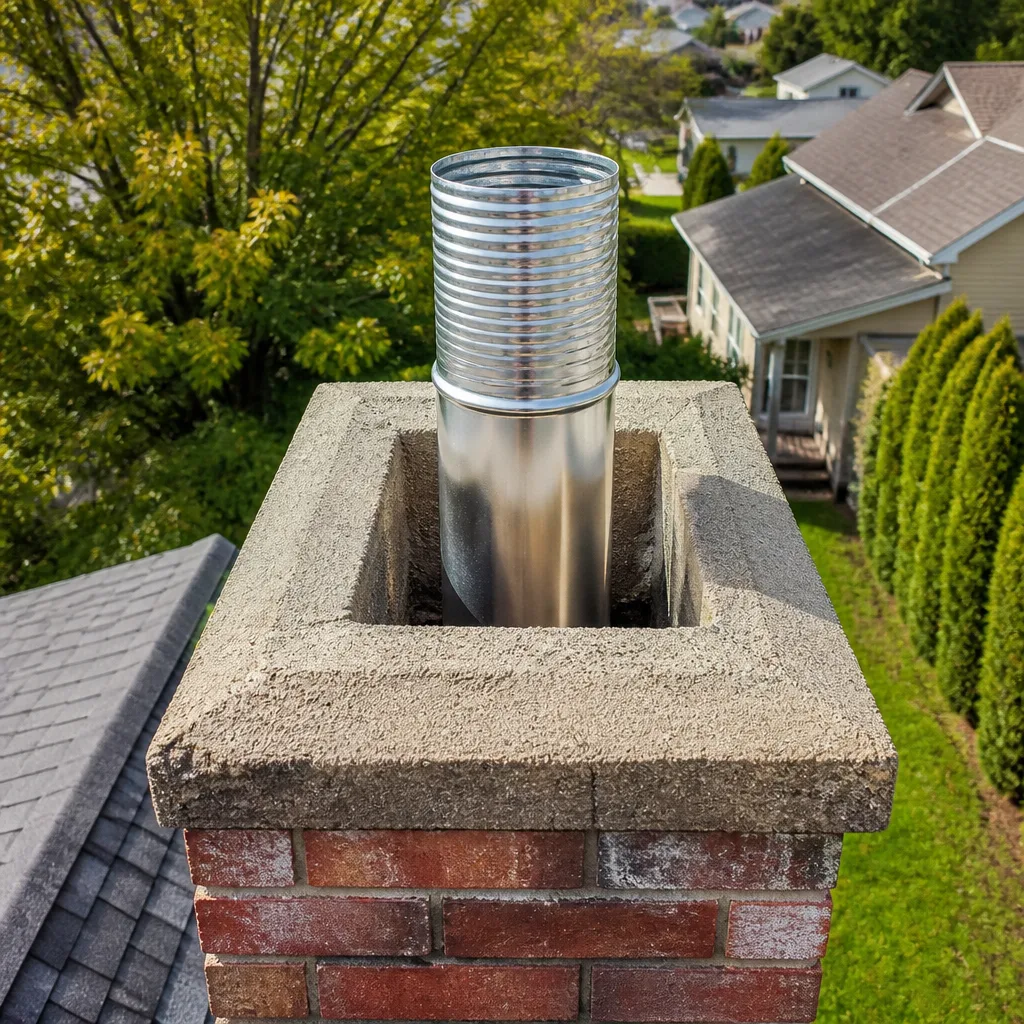
- Stainless steel liner installation – mechanical permit. This changes the flue’s interior surface and can change its effective draft, so it’s inspected as an alteration.
- Firebox rebuild or firebox liner work – building permit. This touches the structure of the firebox and possibly masonry that supports the chimney.
- Chimney rebuild (above roofline) – building permit. Structural work above the roof line needs plans and inspection.
- Appliance connector change – mechanical permit. The connector is part of the venting system and is inspected under mechanical code.
- Chimney liner resurfacing (HeatShield or similar) – typically mechanical permit. Resurfacing is a repair to the liner, but it restores the flue as a venting system, so it’s treated like liner work.
Two things are worth saying out loud. First, L&I’s permit requirements can shift with code updates, so confirm the current classification for your specific job before booking. Second, a qualified contractor already knows this – chimney repair and liner work is where permits live, and a contractor who tells you a full reline doesn’t need one is telling you something about how they work. For anything beyond a sweep, ask them up front whether an L&I permit will be pulled.
If you’re scheduling a routine cleaning and want it done right, chimney sweep service is the starting point. It’s also where a technician should spot the problems that would require a permit if you decided to fix them.
Pennsylvania UCC Chapter 27 and Chimney Work
Pennsylvania’s Uniform Construction Code (UCC) sets minimum statewide building standards, and Chapter 27 of the UCC is where chimney and venting rules live. It’s the state code that sits behind the local L&I permit process. Understanding what it covers helps you ask the right questions.
Chapter 27 of the UCC covers the construction, installation, and alteration of chimneys, fireplaces, and venting systems. It addresses:
- Clearances from combustibles (how far chimney components must sit from framing and finish material)
- Liner requirements (flues are required to be lined to contain flue gases)
- Appliance connector requirements (how the appliance connects to the flue)
- Chimney height and termination (how high above the roof a chimney must extend)
- Flue sizing relative to the appliance
What UCC Chapter 27 does not do is classify small repairs as alterations. Paired with the state’s building code adoption, the practical upshot is that whether a chimney sweep needs a permit turns on whether the work restores a system or changes it. Cleanup and repair of masonry, caps, and crowns that don’t change the flue’s function are treated as maintenance.
If a contractor tells you UCC Chapter 27 requires a permit for a cleaning, that’s wrong. If they tell you it doesn’t apply to a liner replacement, that’s also wrong. The chapter doesn’t ban the work; it specifies how the work must be done, and the permit is how L&I verifies it was done that way. A licensed and insured local pro will already know the difference, and the contractor you hire should be willing to walk you through it.
Because Tacony’s housing stock includes a lot of older rowhouses with original masonry chimneys, UCC clearances come up often. Stucco parging, kraft-faced insulation, and framing from century-old remodels sometimes sit closer to the flue than modern code allows. When we see this on an inspection, it’s a conversation point – not an automatic rebuild. Sometimes the correction is straightforward.
NFPA 211: The Standard Behind Every PA Inspection
If you’ve looked at a chimney inspection report or a contractor’s writeup in Tacony, you’ve probably seen “NFPA 211” somewhere in the fine print. NFPA 211 is the national standard on chimneys, fireplaces, vents, and solid fuel-burning appliances. PA code references it as the standard that governs inspections and clearances.
What NFPA 211 actually dictates for a residential chimney falls into three buckets: clearances, liner integrity, and appliance connections.
Clearances
NFPA 211 defines how far chimney components must sit from combustible materials. For interior masonry chimneys that means maintaining the required air space or approved clearance reduction method, and for prefab or metal systems it means following the listed clearances for the appliance. Encroachments on those clearances are a fire hazard, and they’re one of the most common findings in older Tacony homes.
Liner Integrity
NFPA 211 requires that the flue be lined and that the liner remain intact with no gaps, cracks, or missing tile where flue gases could escape into the chimney structure. A Level 2 inspection with a video camera is the standard way to verify liner integrity without tearing into masonry.
Appliance Connections
The appliance connector between the firebox and the flue must be in good condition, properly sloped, and correctly joined. Missing or failed connectors are a known cause of carbon monoxide entering a home, and they’re a common issue when an older insert or stove was retrofitted without a permit.
Our technicians have up to 13 years of experience and work from NFPA 211 when they inspect a chimney. When we recommend anything beyond a sweep, we show the finding to you on camera first. That’s the whole point of the standard: not to sell you a repair, but to give you evidence you can evaluate.
What a Code-Compliant Level 2 Inspection Covers
A Level 2 inspection is the standard inspection for a chimney that’s changing hands, changing appliances, or has survived a chimney fire. It’s not a cleaning. It’s an assessment. The inspection is defined by NFPA 211 and it’s the level most contractors mean when they say “code-compliant inspection.”
A Level 2 inspection covers more than a Level 1 visual check. It includes:
- Accessible portions of the chimney exterior and interior. The technician looks at the full accessible run of the chimney, not just what’s visible from the firebox.
- Video scanning of the flue. A camera goes down the flue to look for cracks, gaps, offsets, and missing liner sections. This is the only reliable way to see the inside of a flue without demolition.
- Clearance verification. The technician checks clearances to combustibles against NFPA 211.
- Appliance connection inspection. The connector and its termination at the flue are checked for corrosion, gaps, and improper slope.
- Crown, cap, and flashing. The top of the chimney is inspected for water entry points and structural damage.
- Photo report. The findings are documented in photos so you can see what the inspector saw.
When is a Level 2 inspection legally required? Under NFPA 211, it’s called for when a chimney changes hands, when a new appliance is connected or an existing one is replaced, and after a chimney fire or other event that could have damaged the flue. In Tacony, that most often shows up during a property sale or when a homeowner swaps a wood stove for a gas insert (or the reverse) and needs to confirm the flue is correctly sized and intact.
A Level 2 inspection also gives you the evidence you need if a contractor recommends thousands of dollars in liner or masonry work. Nothing should be recommended without a camera view you can see. Ask for that view, and ask for the photo report. If the contractor can’t or won’t provide it, that tells you something.
How to Verify a Contractor Pulled a Permit in Tacony
You don’t have to take a contractor’s word that a permit was pulled. Philadelphia’s L&I runs an online permit portal where you can look up permits by address, and that’s true for any Tacony address. Here’s how the process works in practice:
- Ask for the permit number before work starts. A legitimate contractor can give you the permit number once the application is approved. If they can’t give you one, the permit hasn’t been pulled.
- Look up the permit on L&I’s online portal. Search by property address. The permit record will show the scope of work, who pulled it, and its current status.
- Check the scope. Make sure the permit describes the actual work being done. A permit for a minor repair won’t cover a full reline.
- Confirm the inspection. After the work is complete, L&I conducts an inspection. Ask for that inspection record – it’s public.
- Keep the paperwork. Store the permit number and the inspection record with your home documents. If you sell the home, those records are the proof that the work was done legally.
This is also where a specialist contractor’s experience shows. When we install a liner or resurface a flue using HeatShield or a DuraFlex flexible liner system, we walk the homeowner through exactly which permit is being pulled before we book the work. Permits are part of the job, not an afterthought.
If your contractor says “we don’t bother with permits, it’s just a liner,” that’s the moment to slow down. Ask them directly whether the work will be inspected by the city. A technician with proper trade knowledge will have a straight answer.
What Happens If Work Goes Unpermitted
Unpermitted chimney work doesn’t fail the day it’s installed. It fails later – at resale, at claim time, or at the next inspection. The risks fall into three buckets, and they compound.
Insurance Claims
Most homeowner policies require that alterations to the home be permitted and inspected as required by local code. If a fire starts in a flue that was relined without a permit, the insurer may deny the claim or reduce it substantially. That’s not theoretical. Insurance companies investigate the cause of a fire and check whether the work was done legally.
Resale and Appraisal
Buyers and buyers’ inspectors look at chimney systems. A Level 2 inspection at the property sale reveals unpermitted liner work or an unpermitted firebox rebuild, and that usually turns into a negotiated price reduction or a demand that the seller get the work redone and permitted. Sometimes both.
Safety
The last and biggest risk is that unpermitted work was never inspected. An inspector checks clearances, liner integrity, and appliance connections against code. Without that inspection, a clearance violation or a poorly installed liner can sit undetected until it causes a problem. That’s the part nobody sees until it matters.
We’d rather tell you the truth than sell you work: if we look at your Tacony chimney and the issue can safely wait, we say so. If it can’t, we show you the camera evidence. Where a permit applies, we pull it – and where it doesn’t, we tell you that too.
Checklist for Hiring a Chimney Contractor in Tacony
Choosing a chimney contractor comes down to a handful of concrete questions. Bring them to the first conversation.
- Will the L&I permit be pulled before work starts? Yes is the right answer for any alteration. If the job doesn’t need a permit, they should be able to explain why.
- What inspection level does this job require? For a cleaning, Level 1 is fine. For a sale, appliance change, or post-fire assessment, it’s Level 2.
- Will I see the camera scan? Any recommendation beyond a sweep should come with video evidence and a photo report.
- Which liner and component brands are being used? Professional installers work with recognized brands – DuraFlex flexible liner, Olympia Chimney, Gelco, Famco, and Copperfield show up in legitimate quotes. If the contractor can’t name any, ask why.
- Is resurfacing an option before replacement? HeatShield resurfacing can restore a liner in some cases where full replacement isn’t strictly necessary. A contractor who jumps straight to replacement without discussing options is skipping a step.
- Will I get a written estimate before work begins? The estimate should be in writing, the price should be set per job, and the scope should line up with what the camera showed you.
- Is the contractor licensed and insured? The local pro you connect with should be licensed and insured as Pennsylvania requires.
The system-level view matters here. A contractor who only cleans and doesn’t do liner or firebox work has an incentive to refer you elsewhere when a problem shows up. Chimney Sweep Tacony covers the full chimney system – sweep, chimney cap & crown, liner installation and rebuild, and fireplace repair – so you’re not hiring two contractors for one problem.
Common Mistakes to Avoid
- Assuming a cleaning needs a permit. Routine sweeps almost never do. The permit threshold is alteration, not cleaning. Ask the contractor to be specific about which work triggers the permit.
- Assuming a reline doesn’t need a permit. The opposite mistake. A stainless liner installation is alteration and needs a mechanical permit through L&I, plus a post-install inspection.
- Skipping the Level 2 inspection at a property sale. Buyers will ask. Without an inspection documented in the sale file, you lose negotiation leverage and possibly warranty coverage at the next step.
- Taking “we don’t bother with permits” as a sign of speed. It’s a sign of risk. Unpermitted liner work can void an insurance claim, and the paperwork trail is the only way to prove the work was done legally.
- Accepting a recommendation for a full rebuild without camera evidence. The camera scan and photo report are the only reliable way to see inside a flue without tearing into masonry. No camera view, no decision.
- Swapping appliances without checking the flue. A new gas insert on a flue sized for wood, or the reverse, can change the venting requirements. The appliance change itself often triggers a Level 2 inspection under NFPA 211.
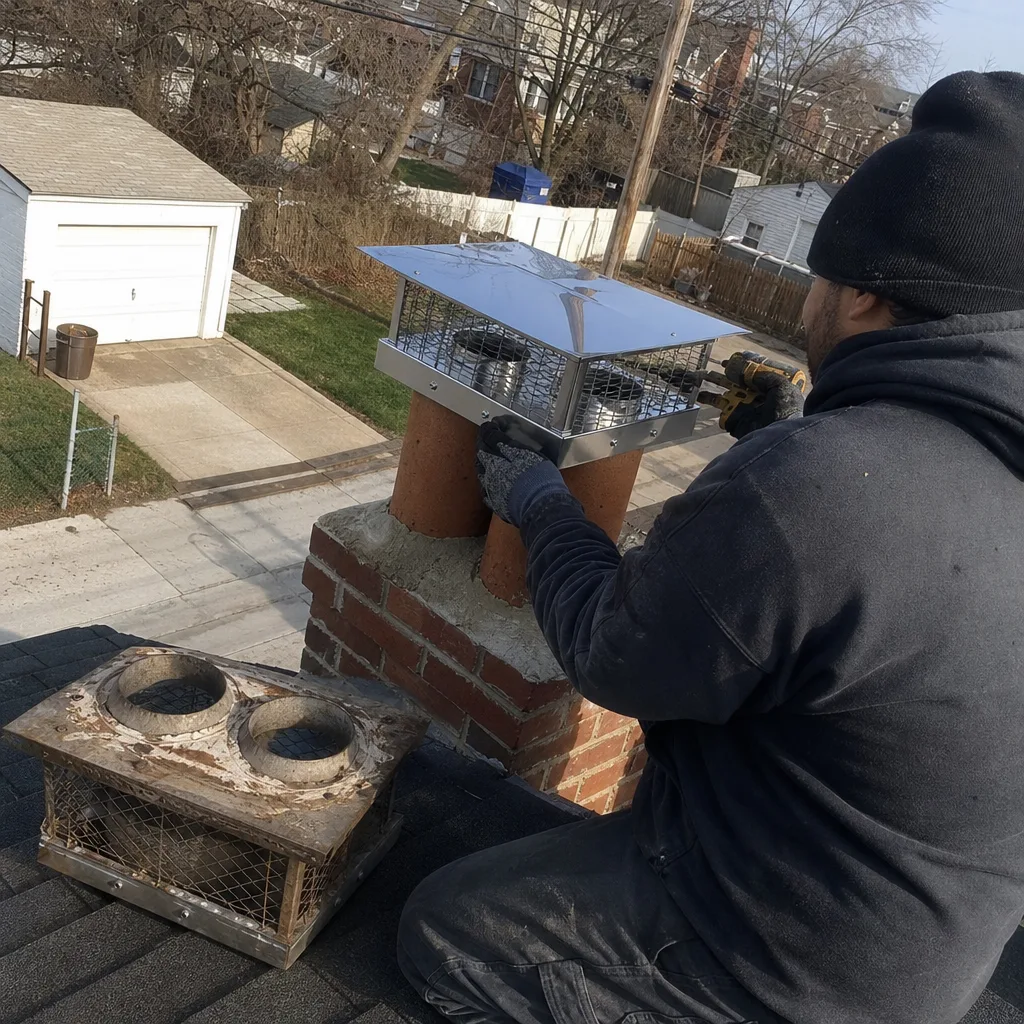
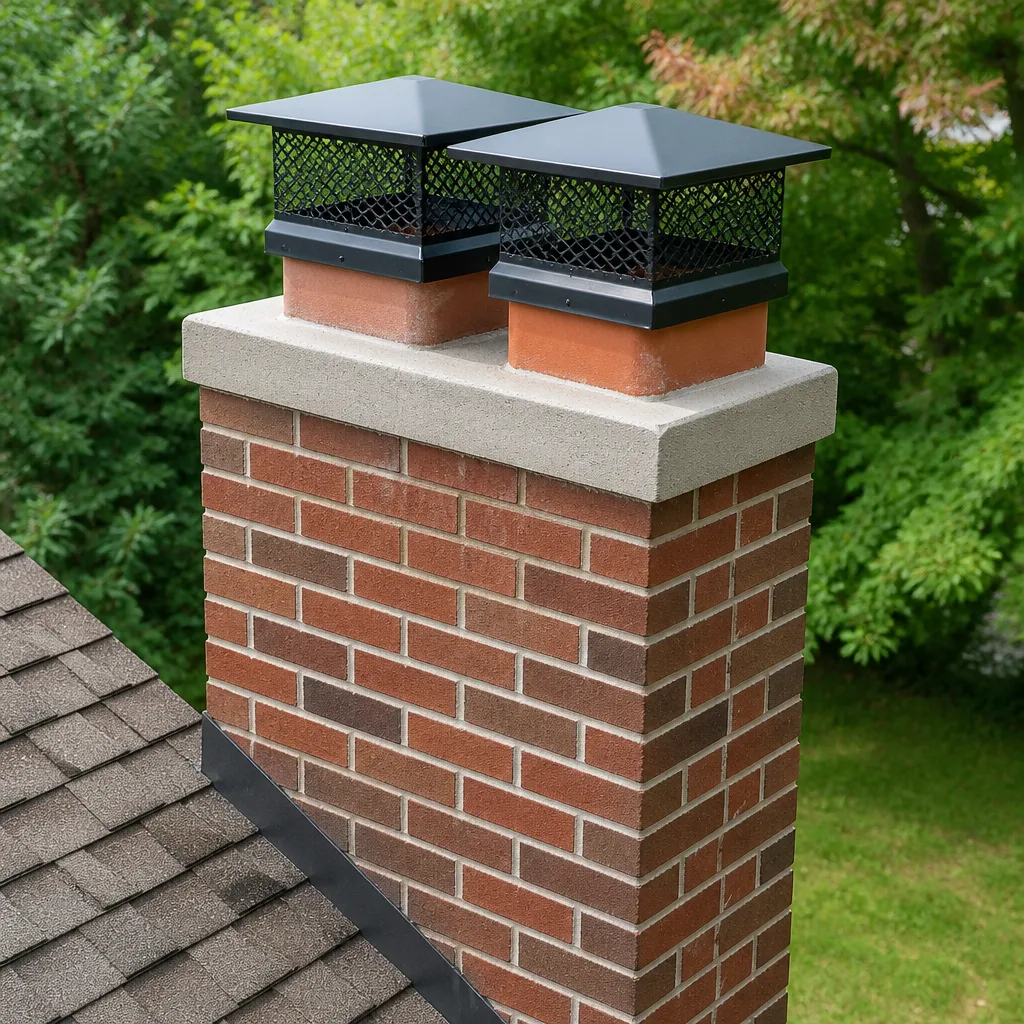
- Cleaning without inspecting the cap and crown. Roof-level components are the first to fail in Tacony’s housing stock, and a cracked crown lets water straight into the flue. Sweeping without looking above the roofline is half a job.
See the difference
 Before
 After
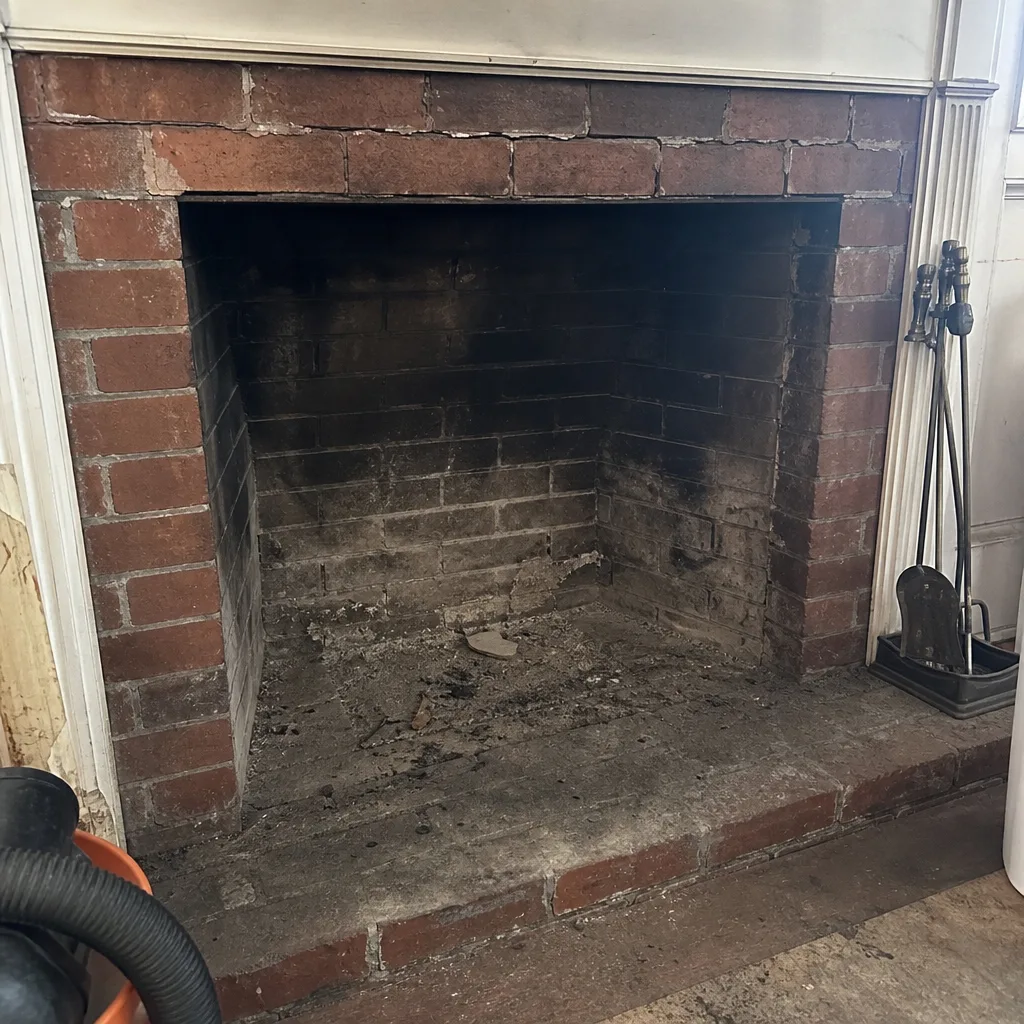 Before
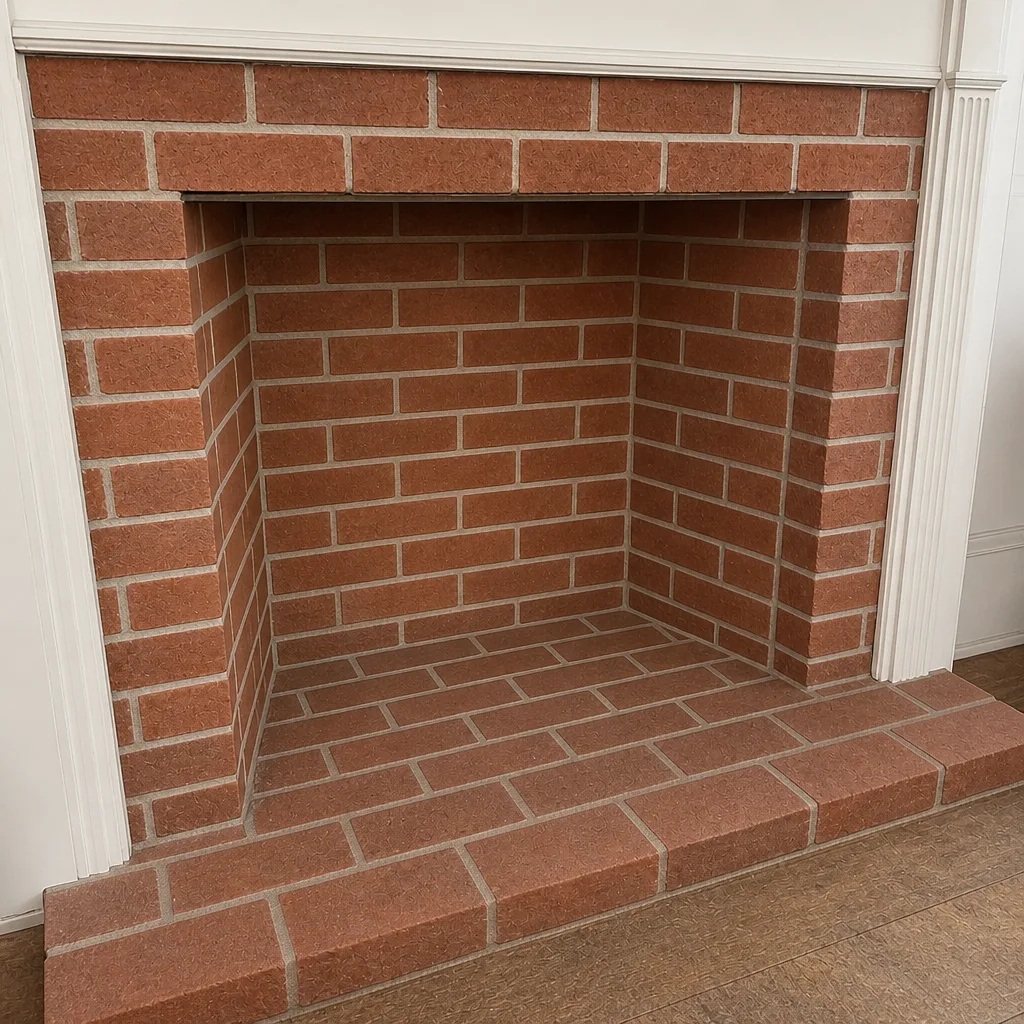 After
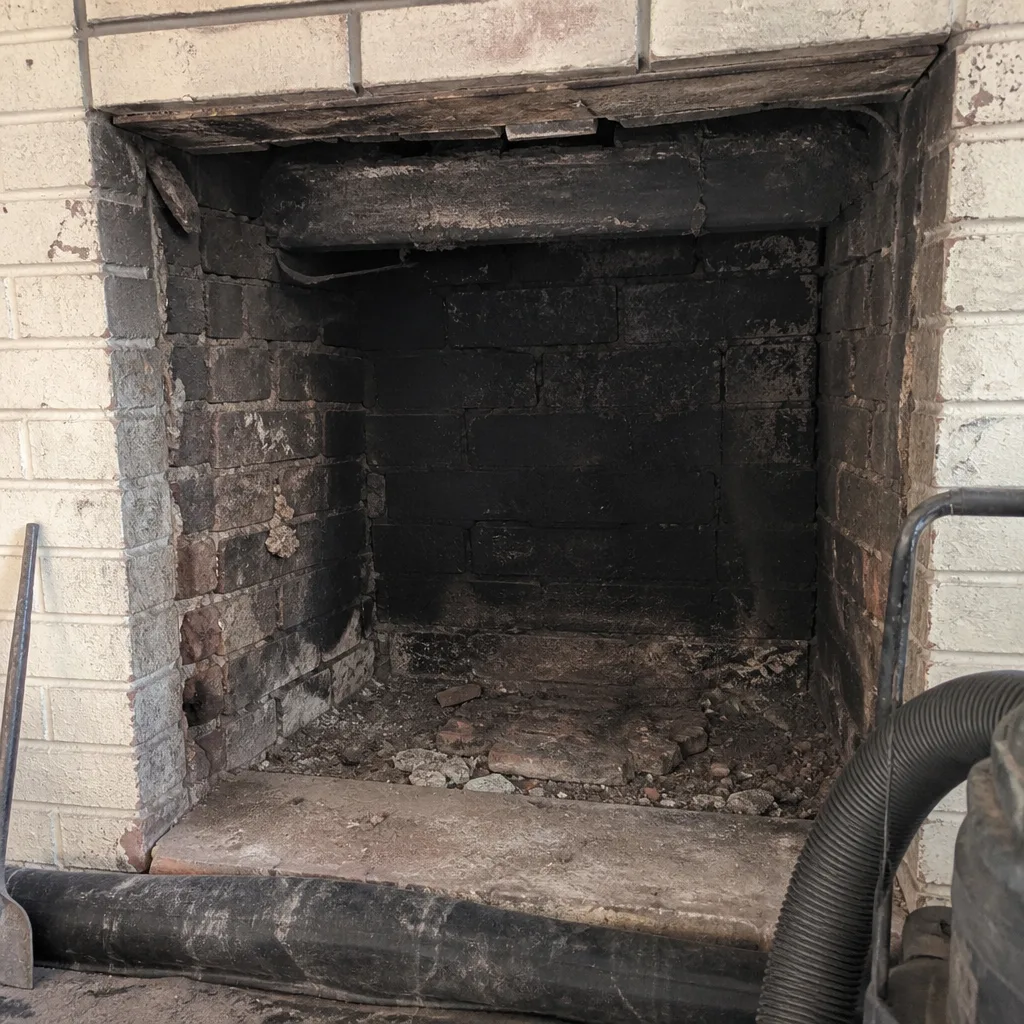 Before
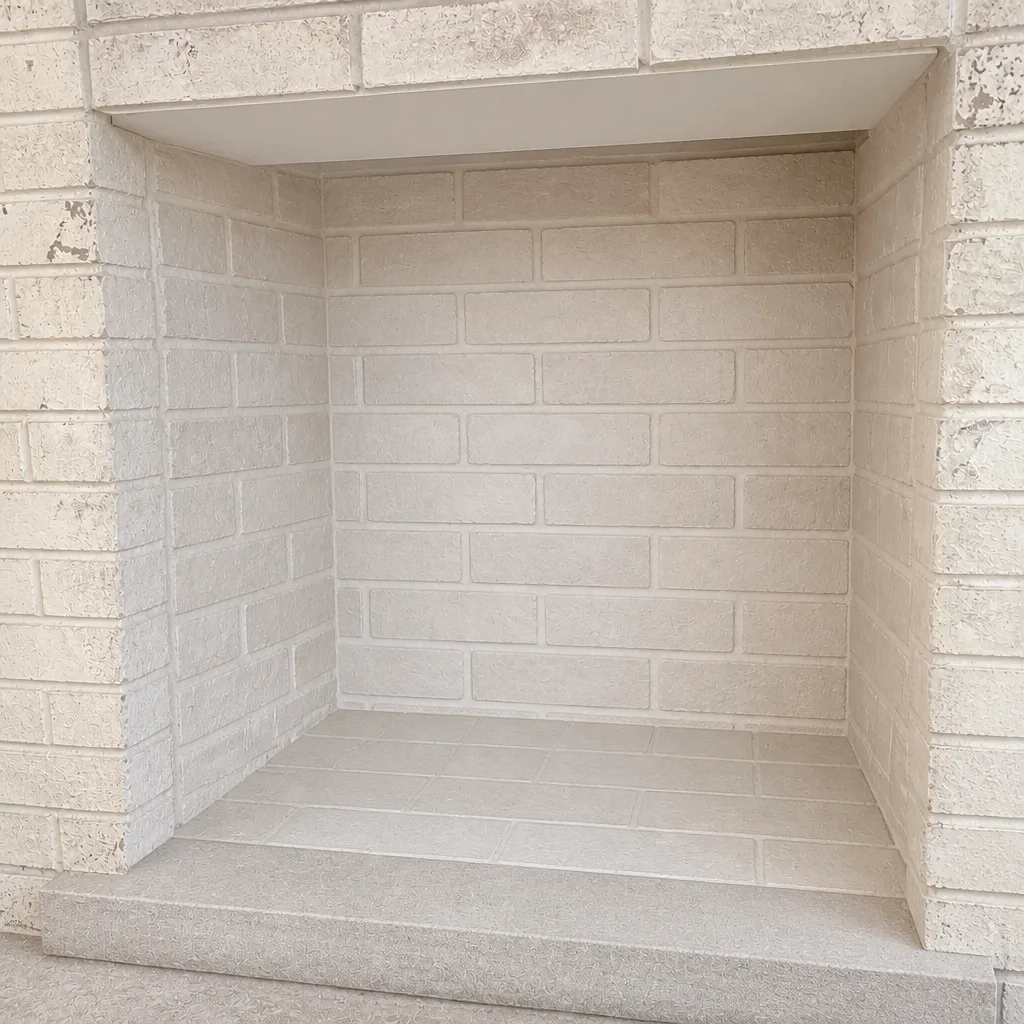 After
When to Call a Professional
Some chimney work is DIY-safe (checking a cap by eye, brushing ash from a firebox), and some isn’t. Call a professional if any of the following is true: you’re planning a liner replacement, a firebox rebuild, or an appliance connector change; your chimney hasn’t been inspected in the last year and you burn wood regularly; you’ve had a chimney fire, even a small one; you’re selling the home and need a Level 2 inspection; you notice water stains, crumbling mortar, or a damaged crown; or your carbon monoxide alarm has gone off with the appliance running. Do not attempt a liner installation or firebox work yourself. That’s alteration work, it needs a permit and an inspection, and the failure modes are serious. Chimney Sweep Tacony offers free estimates in Tacony – call (833) 370-3312. We answer 24/7, with fast dispatch from 7am to 7pm, Sunday through Friday.
Frequently Asked Questions
No. Routine chimney cleaning is classified as maintenance and doesn’t require a permit in Tacony or anywhere else in Philadelphia. The permit requirement kicks in when the work becomes alteration – liner replacement, firebox work, appliance connector changes, or structural chimney rebuilds. Call (833) 370-3312 for an exact quote on any chimney service.
Yes. A stainless steel liner replacement is an alteration of the flue system and requires a mechanical permit through Philadelphia’s Department of Licenses & Inspections, with a post-install inspection. Skipping the permit can void an insurance claim if there’s ever a fire, and it can complicate a future home sale. Call (833) 370-3312 to talk through your specific liner job – estimates are free.
A Level 1 inspection is a visual check of the accessible portions of the chimney during a routine service call. A Level 2 inspection adds video scanning of the flue, clearance verification, appliance connection inspection, and a photo report – it’s the type required at a property sale, after an appliance change, or following a chimney fire. Call (833) 370-3312 to schedule a Level 2 inspection in Tacony.
Ask for the permit number before work starts, then look it up on Philadelphia L&I’s online permit portal by property address. The record shows the scope of work, who pulled the permit, and its inspection history. If the contractor can’t produce a permit number, the permit hasn’t been pulled. Call (833) 370-3312 if you want a second opinion on a quote.
Usually yes. A rebuild above the roof line is structural work and typically requires a building permit through L&I with plans on file. Chimney rebuilds affect the flue and the structure that supports it, so the permit and inspection process matters both for safety and for tracking the work at resale. Call (833) 370-3312 for a free estimate on rebuild or repair work.
Unpermitted alteration work stays undisclosed until it matters – at a fire claim, at a home sale, or at the next inspection. Insurers may deny or reduce a fire-related claim if alteration work wasn’t permitted and inspected as code requires, and buyers frequently renegotiate or demand remediation when unpermitted chimney work shows up on a pre-sale inspection. Getting a permit up front is cheaper. Call (833) 370-3312 for a free estimate.
The Bottom Line
The line between a permit and no permit in Tacony is the line between maintenance and alteration. A cleaning doesn’t need a permit; a liner replacement, firebox rebuild, appliance connector change, or above-roof chimney rebuild does. If you’re uncertain which side of that line a given job sits on, ask L&I directly before work starts – and expect your contractor to have already done that. If you’re facing a repair and want a straight read on whether it can safely wait or needs to happen now, we’ll show you the camera evidence first and let you decide. Chimney Sweep Tacony offers free estimates in Tacony – call (833) 370-3312 to book one.
Written by the team at Chimney Sweep Tacony.