
Last updated November 22, 2026
 Sweep & inspection
 Caps & crowns
 Flue relining
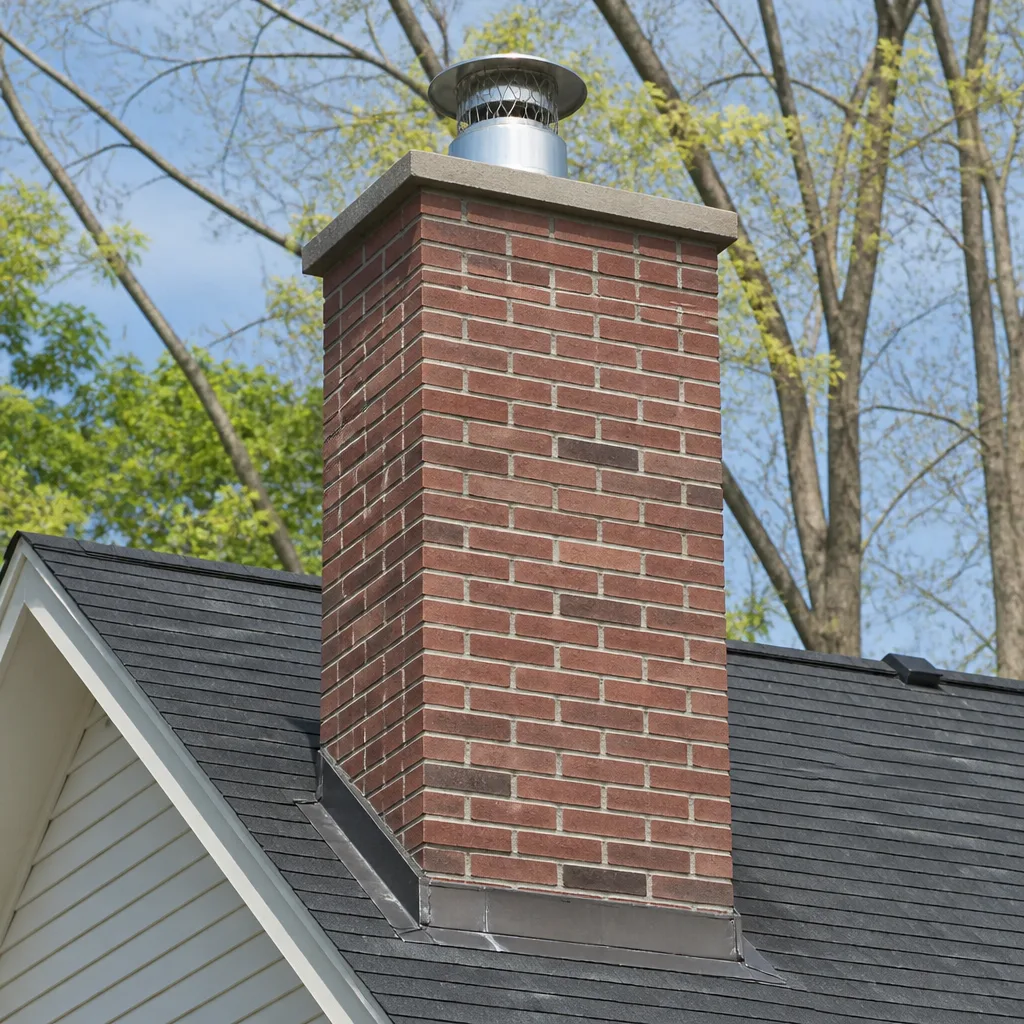 Masonry repair
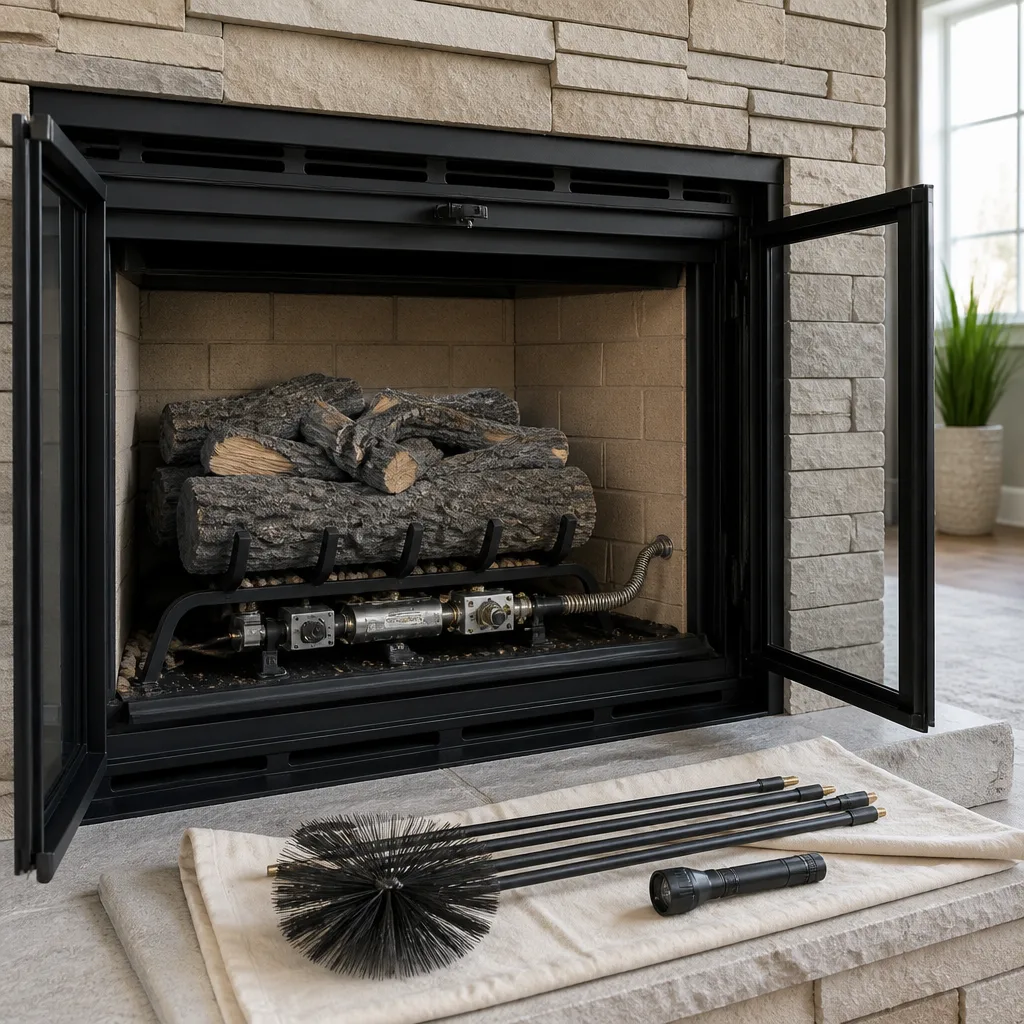 Gas fireplace service
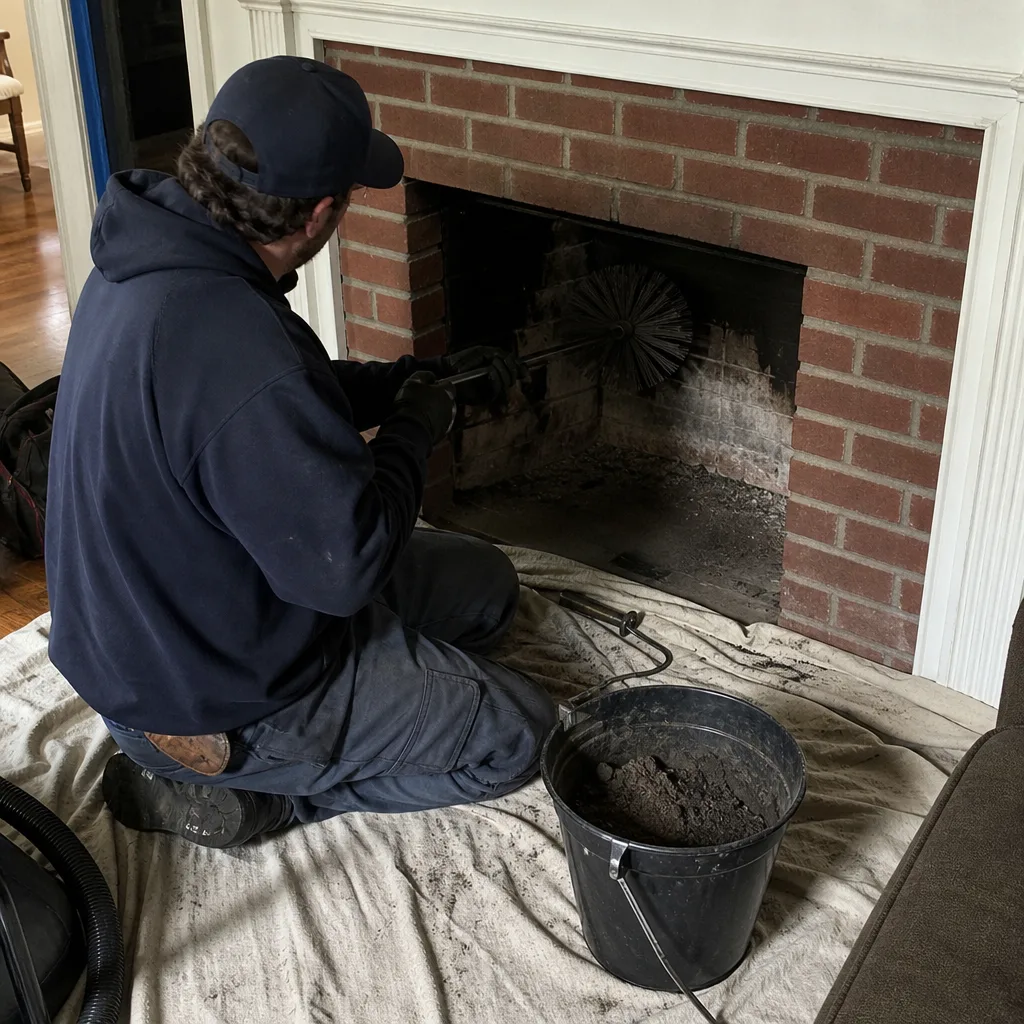
Level 1 sweep and inspection to the NFPA 211 annual standard - flue, crown, cap, and flashing checked and photographed
Chimney sweep logs do not sweep chimneys. They loosen some creosote - which then falls where a brush and vacuum still have to collect it.
The Complete Guide to Chimney Cleaning in Tacony
Most chimney fires aren’t caused by a dirty flue. They’re caused by a dirty flue that was “cleaned” without anyone checking whether the liner could safely contain the heat in the first place. A sweep that skips the inspection doesn’t reduce your risk, it just makes the chimney look tidy while the real problem stays in place. That’s why we treat chimney cleaning in Tacony as a sequence, not a task: assess the fuel, inspect the whole system, clean to the liner’s actual condition, then hand you a written record of what we found. This guide walks through every phase so you know what a thorough job looks like, what to ask, and what a proper report should contain.
Quick Answer
A complete chimney cleaning in Tacony starts with a Level 1 inspection before any brush touches the flue, because the inspection tells the technician what kind of liner you have, how much and what type of creosote has built up, and whether the system can be swept safely at all. Cleaning comes second, using methods matched to your liner material and fuel type. The job ends with a written report covering liner condition, clearances, and cap and crown status. If a company cleans first and inspects later, the order is backwards.
Styles & brands we work with
- Sweep & inspection
- Caps & crowns
- Flue relining
- Masonry repair
- Gas fireplace service
Table of Contents
- Why the Inspection Comes Before the Cleaning
- How Your Fuel Type Changes the Cleaning
- Rotary Systems vs. Rod-and-Brush in Older Tacony Liners
- The Cleaning Process, Step by Step
- What a Written Sweep Report Should Include
- Philadelphia Air Quality and How Often Tacony Households Should Sweep
- Common Mistakes to Avoid
- When to Call a Professional
Why the Inspection Comes Before the Cleaning
NFPA 211, the standard that governs chimneys, fireplaces, vents, and solid fuel appliances, lays out three inspection levels. Level 1 is the baseline read of an accessible chimney with no known problems. Level 2 applies when a property changes hands, when a fuel appliance changes, or after a chimney fire or seismic event, and it requires access to parts of the system that a Level 1 doesn’t reach. Level 3 is reserved for concealed areas and involves opening up construction. The point for a routine cleaning is simple: the standard expects the condition of the system to be established before work proceeds, not discovered along the way.
In practical terms, the inspection answers questions the brush can’t:
- What is the liner made of, and is it continuous from the appliance to the top?
- Which stage of creosote has accumulated, and how thick is it?
- Are the clearances to combustibles intact, or has something been built or stored too close?
- Is the cap present and clear, and is the crown sound?
- Does the firebox or damper show damage that changes how the flue should be cleaned?
Those answers determine the cleaning method. A glazed, third-stage creosote deposit needs a different approach than a light soot film, and a cracked terra-cotta liner changes the tooling entirely. We’ve seen liners that looked fine from the firebox and were failing three feet up. Cleaning a flue in that condition without knowing it can push debris into a gap and make a bad situation worse. In Tacony, where a lot of the housing stock predates modern liner standards, that sequence matters.
If you want the broader picture of what routine service involves beyond the sweep itself, our chimney sweep page covers the maintenance side of the job.
How Your Fuel Type Changes the Cleaning
The fuel burning in your fireplace or stove decides what kind of deposit forms in the flue, and the deposit decides the cleaning method. There is no universal brush-and-go procedure. A Tacony sweep should identify the fuel before selecting a single tool.
Wood
Wood produces creosote in three recognizable stages. Stage one is a light, flaky soot that brushes off easily. Stage two is a crusty, brittle deposit that needs more mechanical work. Stage three is glazed and tar-like, and it’s the one that carries real fire risk because it can ignite and burn hot. The CSIA-standard brush selection depends on which stage you’re dealing with and on the liner material, since poly brushes, wire brushes, and rotary whips each behave differently against terra-cotta, stainless, and cast-in-place liners. Unseasoned or wet wood accelerates stage two and three buildup, which is common in Tacony households that buy firewood in bulk and burn it before it’s had time to dry.
Gas
Gas fireplaces and inserts produce far less creosote, but they aren’t maintenance-free. Gas appliances can leave corrosive residue on the liner and around the appliance connections, and venting problems in gas systems are a carbon monoxide concern rather than a creosote concern. A gas system still needs a sweep and inspection on a schedule, and the technician should be checking the venting path and the appliance itself, not just running a brush through the flue.
Oil
Oil-fired appliances leave soot and sulfur residue that can corrode a liner from the inside. Cleaning an oil flue is a different job than cleaning a wood flue, and the inspection should include checking for corrosion damage that soot can hide.
If your system is due and you’re not sure which category it falls into, that’s a good reason to have it looked at rather than guessed at. Our team works across all three fuel types in Tacony and can tell you what’s in the flue before recommending anything.
Rotary Systems vs. Rod-and-Brush in Older Tacony Liners
Two tool families do most of the work, and the right choice depends on the liner.
Rod-and-brush is the traditional method: a series of flexible rods with a brush head, worked up the flue from the firebox or down from the top. It’s controllable, it’s gentle on older masonry, and it’s the standard approach for a routine sweep on a sound flue with light to moderate deposits. On a terra-cotta liner that’s been in service for decades, that control matters, because a stiff tool run hard against deteriorated clay can spall the surface.
A rotary cleaning system uses a powered spinning head, sometimes with whips or chains, to knock down heavier deposits. It’s the better tool for glazed third-stage creosote and for flues that have gone a long time between sweeps. The trade-off is that rotary systems need to be matched to the liner. Run the wrong head against a fragile clay liner and you can do damage that costs far more than the cleaning saved.
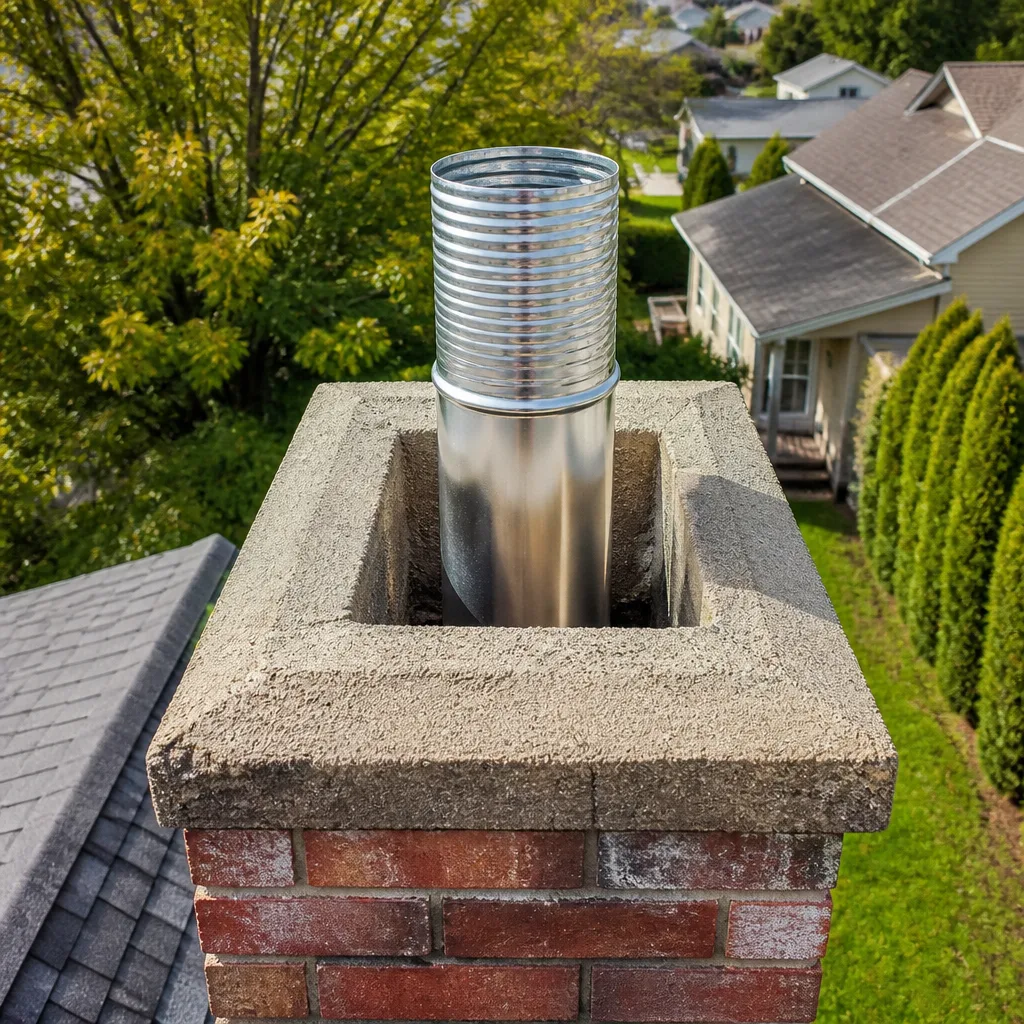
Tacony’s older terra-cotta liner stock is the reason this distinction matters here more than it might in newer construction. Many homes in the neighborhood have original clay liners with visible joints, hairline cracks, or spalling that a technician needs to see before choosing tooling. Where the clay has failed badly enough that resurfacing or replacement is the honest answer, we use HeatShield as a resurfacing option before recommending a full reline. HeatShield is a professional-grade liner resurfacing system that can restore a deteriorated flue’s interior surface, and it’s a real alternative to the cost of a complete rebuild when the existing liner is still structurally viable underneath. When a liner is too far gone for resurfacing, a DuraFlex flexible liner system is often the right fit, particularly in older or non-standard flue configurations where a rigid liner won’t go in. For a closer look at repair options, our chimney repair page covers what each pathway involves.
The Cleaning Process, Step by Step
Here’s what a complete sweep looks like when the phases are done in the right order.
- Fuel and appliance assessment. Identify the fuel type, the appliance, and how the system is vented. Note whether the appliance has been changed since the last service.
- Level 1 inspection. Examine the accessible portions of the chimney, firebox, damper, and connector. Record liner condition, clearances, and any damage.
- Protect the room. Drop cloths and a sealed work area keep soot out of the living space. A sweep that leaves a fine grey film on the furniture cut corners somewhere.
- Select the tooling. Match the brush or rotary head to the liner material and the creosote stage found in the inspection.
- Sweep the flue. Work the full length of the flue, from appliance connection to the top, removing deposits rather than redistributing them.
- Clean the firebox and smoke chamber. The firebox, damper, and smoke shelf collect debris that a flue-only sweep leaves behind. The smoke chamber in particular is a place where creosote hides.
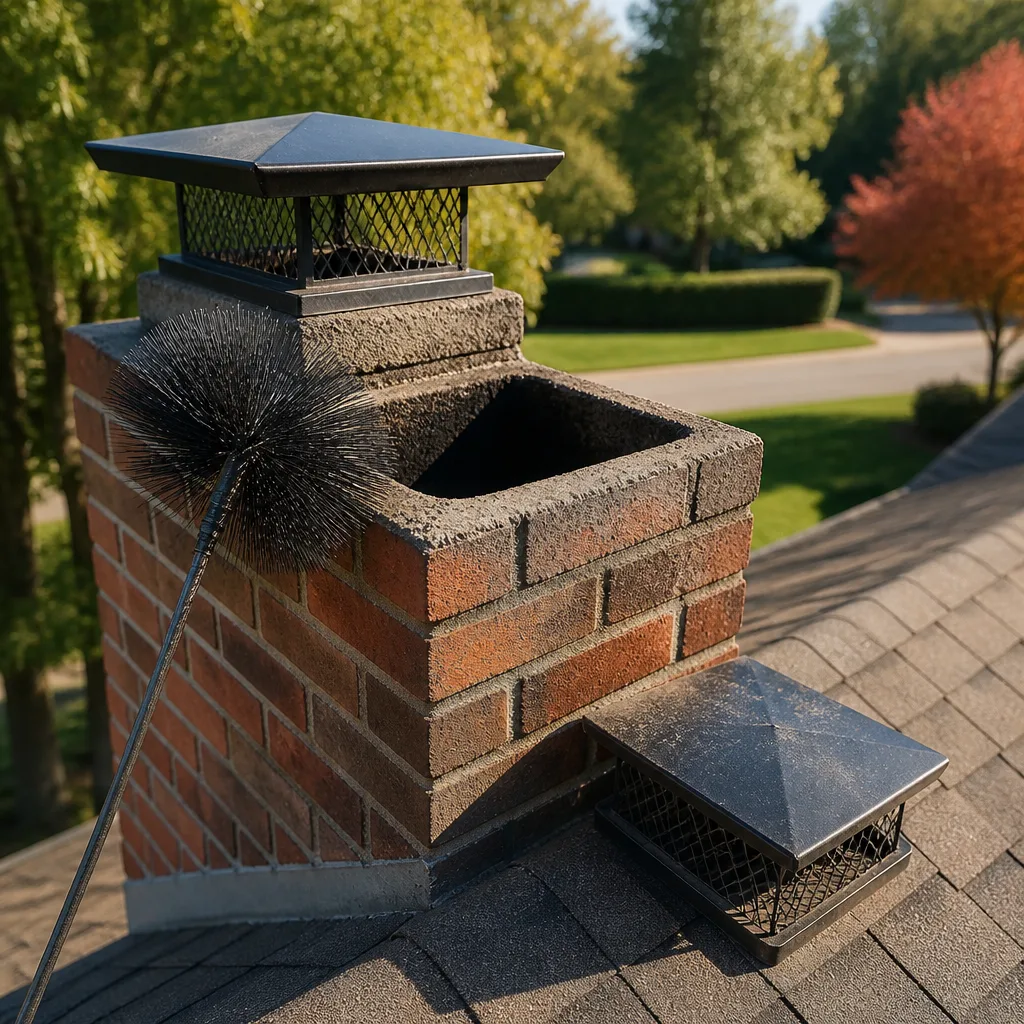
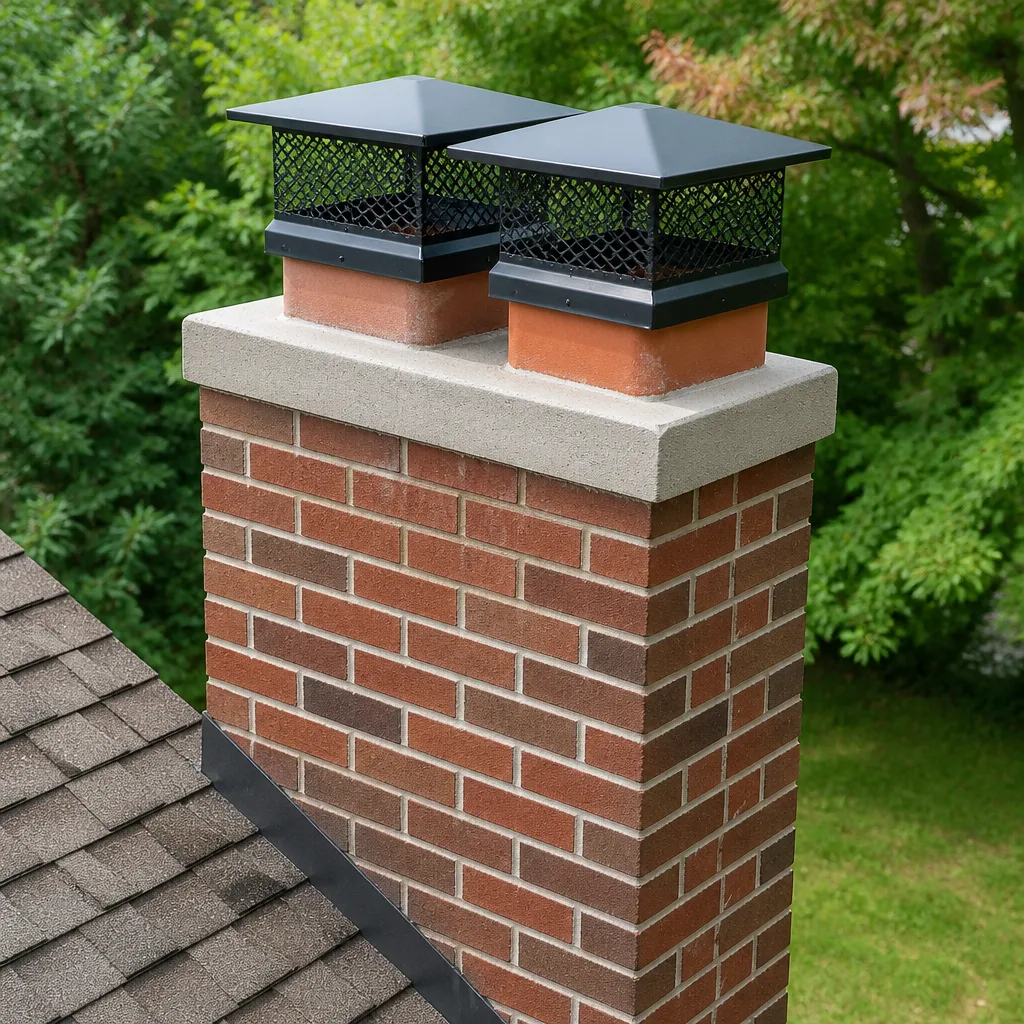
- Check the cap and crown. Confirm the cap is present, attached, and clear, and that the crown is shedding water rather than letting it into the masonry. Our chimney cap & crown page explains what failing components look like.
- Document and report. Write down what was found, what was cleaned, and what needs attention. Hand it to the homeowner.
That last step is not a formality. A verbal “you’re all set” gives you nothing to compare against next year, and nothing to show a future buyer or insurer.
What a Written Sweep Report Should Include
A written report is the difference between a service and a claim. It should be specific enough that a different technician could read it next year and know exactly what condition the system was in. At minimum, it should cover:
- Liner condition. Material, continuity, cracks, gaps at the joints, and any spalling or corrosion. Note the creosote stage found and how much was removed.
- Clearance measurements. The distance from the chimney to combustible materials, and whether those clearances meet the standard for the appliance.
- Cap and crown status. Whether the cap is present and secure, whether the crown is intact, and whether either needs repair.
- Firebox and damper condition. Any cracks, deteriorated mortar, or damper problems observed.
- Recommendations with reasons. Not just “liner replacement recommended” but what evidence led to that recommendation, so you can see it for yourself.
A verbal-only report is a red flag. It gives you no record, it can’t be verified, and it makes it impossible to tell whether a recommendation is a real finding or an upsell. When we recommend work, we show the camera inspection and the photos behind it, so you’re looking at the same evidence we are. And when something can safely wait, we say so.
Philadelphia Air Quality and How Often Tacony Households Should Sweep
Cleaning frequency isn’t a fixed calendar. It depends on how much you burn, what you burn, and how the appliance is used. The common industry guidance is an annual inspection and sweep for a wood-burning system in active use, and the honest version is that heavy burners need it more often. The CSIA’s rule of thumb, a quarter inch of creosote buildup, is a threshold that calls for a sweep regardless of how recently the last one happened.
Philadelphia’s urban air quality and burning restrictions add a local dimension. Air quality conditions affect when burning is advisable at all, and they tend to push households toward burning less frequently but sometimes harder when they do, which can concentrate creosote production. Wood that’s been stored outdoors and burned damp is the bigger driver of buildup, and it’s a common pattern in Tacony where firewood is often stacked against the house or under a tarp and used before it’s fully seasoned.
For gas appliances, manufacturer guidance governs the interval, and an annual inspection is still the sensible baseline. For oil, the appliance and venting should be checked annually as part of the heating system’s service.
A practical schedule for a Tacony wood-burning household:
- Annual inspection and sweep if you burn regularly through the heating season.
- More frequent sweeps if you burn heavily, burn unseasoned wood, or have a history of fast creosote buildup.
- An inspection any time you notice a strong creosote smell, smoke rolling back into the room, or visible damage to the firebox or damper.
- A Level 2 inspection if you’ve changed appliances or fuels, or after any chimney fire event, even a small one.
The seasonal window matters too. Getting the sweep done before burning season means the system is verified before you depend on it, rather than discovered to be compromised on the first cold night.
Common Mistakes to Avoid
- Cleaning before inspecting. The brush runs without knowing what the liner can take, and problems the cleaning should have flagged stay hidden. Inspection comes first, every time.
- Accepting a verbal-only report. No written record means no baseline for next year and no way to verify a recommendation. Ask for the findings in writing.
- Choosing tooling by habit instead of by liner. A rotary head run against a fragile terra-cotta liner in an older Tacony home can cause damage a gentler brush wouldn’t have touched.
- Burning unseasoned wood. Wet wood is the fastest route to stage two and three creosote. Season your firewood and store it dry.
- Skipping the firebox and smoke chamber. A flue-only sweep leaves deposits in the places most likely to cause trouble. The whole system needs attention.
- Ignoring the cap and crown. A missing cap lets water and animals in; a cracked crown lets water into the masonry. Both are cheap to fix compared to the damage they cause when ignored.
- Treating gas as maintenance-free. Gas systems can produce corrosive residue and carry venting problems that are a carbon monoxide concern. They still need an inspection on schedule.
When to Call a Professional
Some situations call for a professional rather than a wait-and-see. If you’ve had a chimney fire, even a small one you put out yourself, get a Level 2 inspection before using the fireplace again. If you smell creosote in the house, see smoke rolling back into the room, or notice cracked or missing mortar in the firebox, those are signs the system needs to be looked at, not cleaned around. A damaged cap, a crumbling crown, or visible liner damage all warrant a call. And if it’s simply been a season or more since your last sweep, book one before burning season rather than after. Chimney Sweep Tacony offers free estimates in Tacony – call (833) 370-3312. We answer 24/7, and fast dispatch runs 7am to 7pm, Sunday through Friday.
One more thing worth saying plainly: if you’re worried about being told you need work you can’t verify, we don’t recommend liner or masonry repair without camera evidence you can see yourself. When the work can safely wait a season, we tell you that too. Our technicians have up to 13 years of experience, and that experience includes plenty of calls where the honest answer was “not yet.”
See the difference
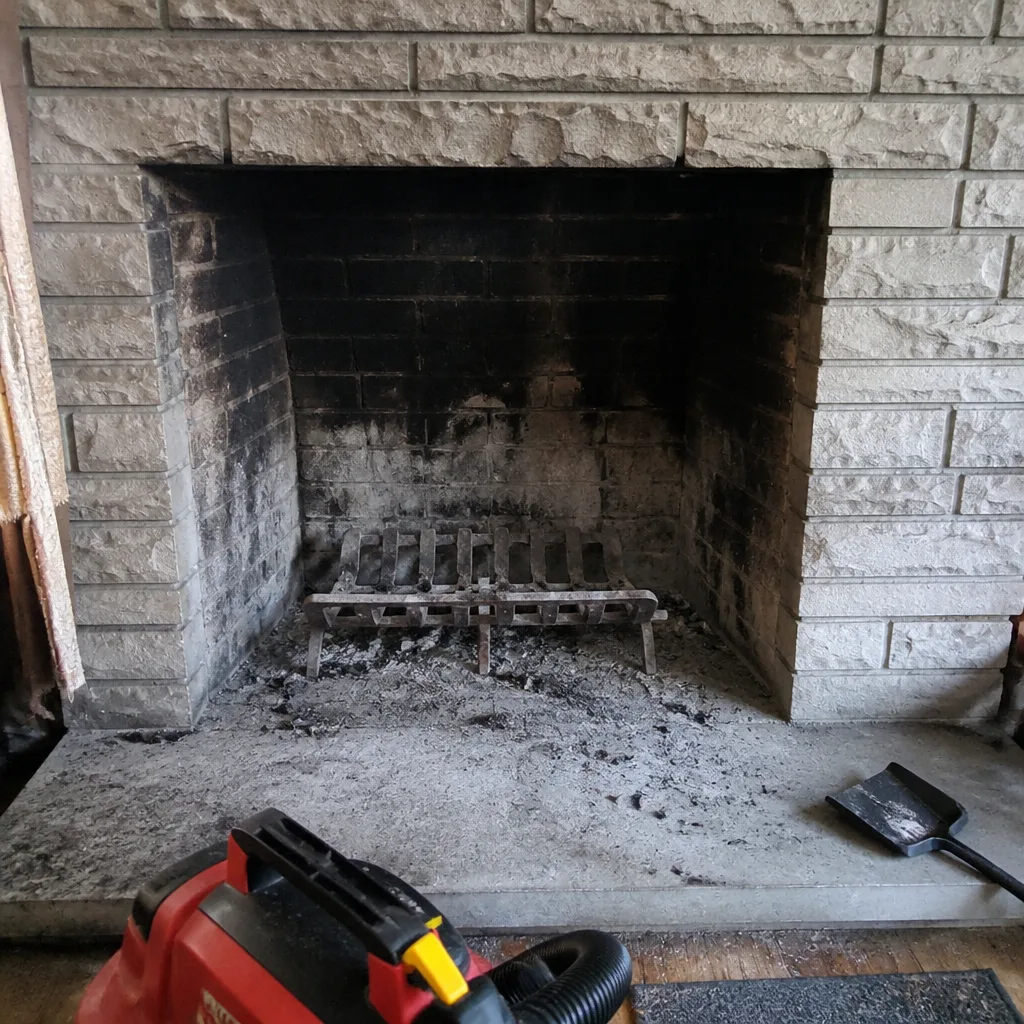 Before
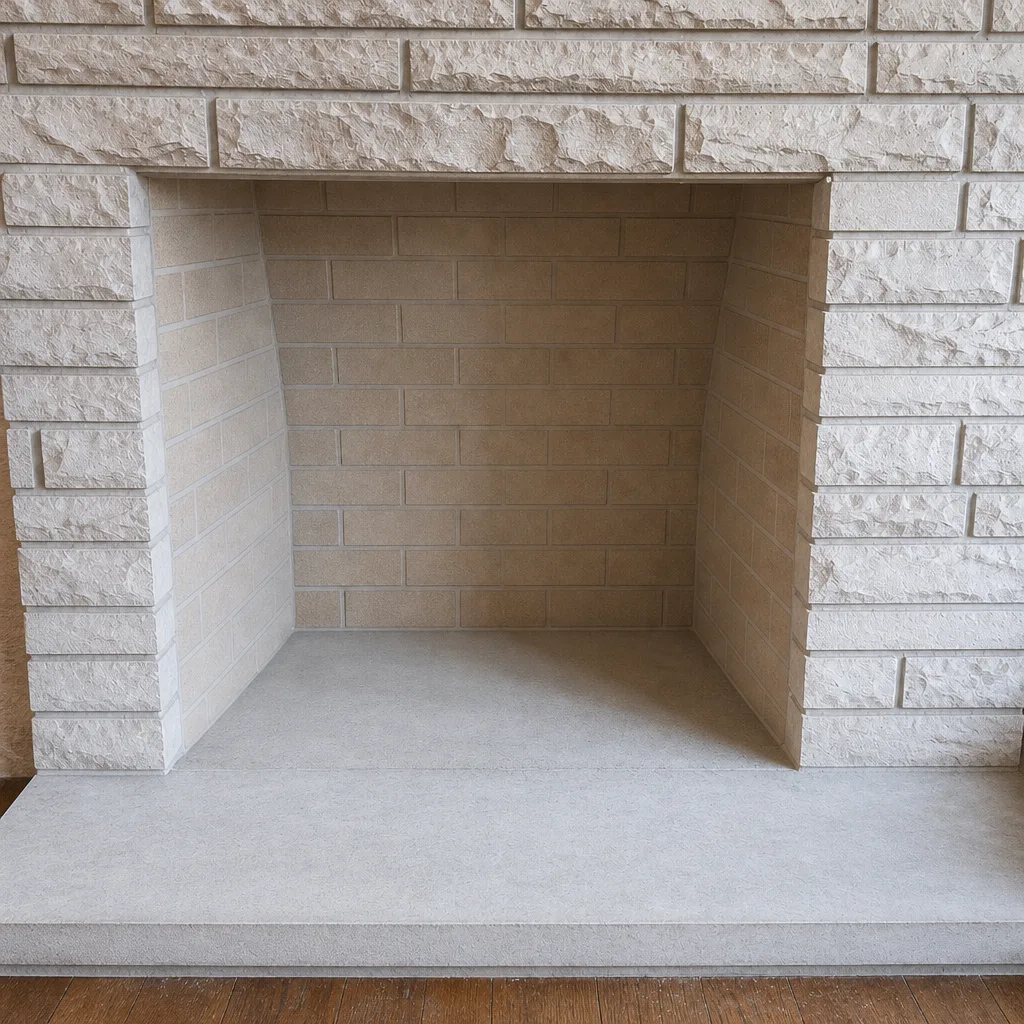 After
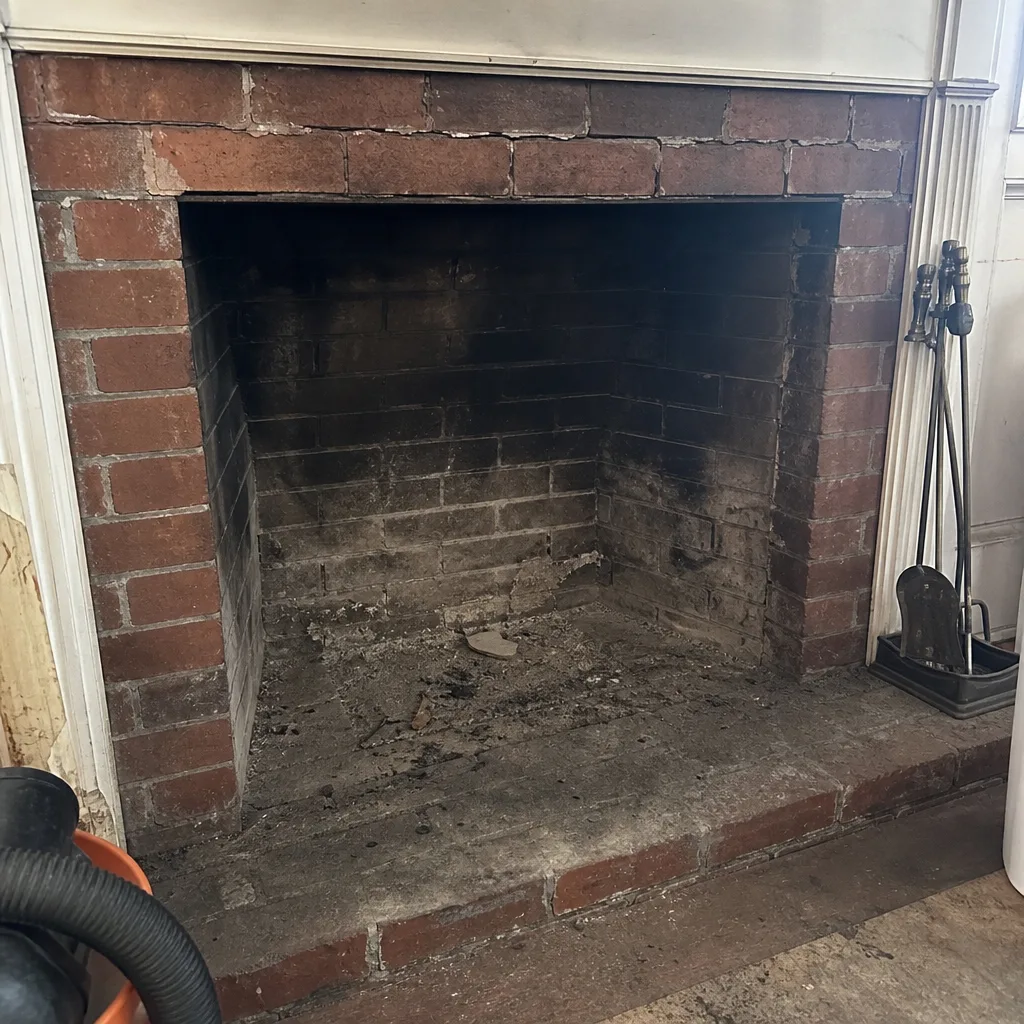 Before
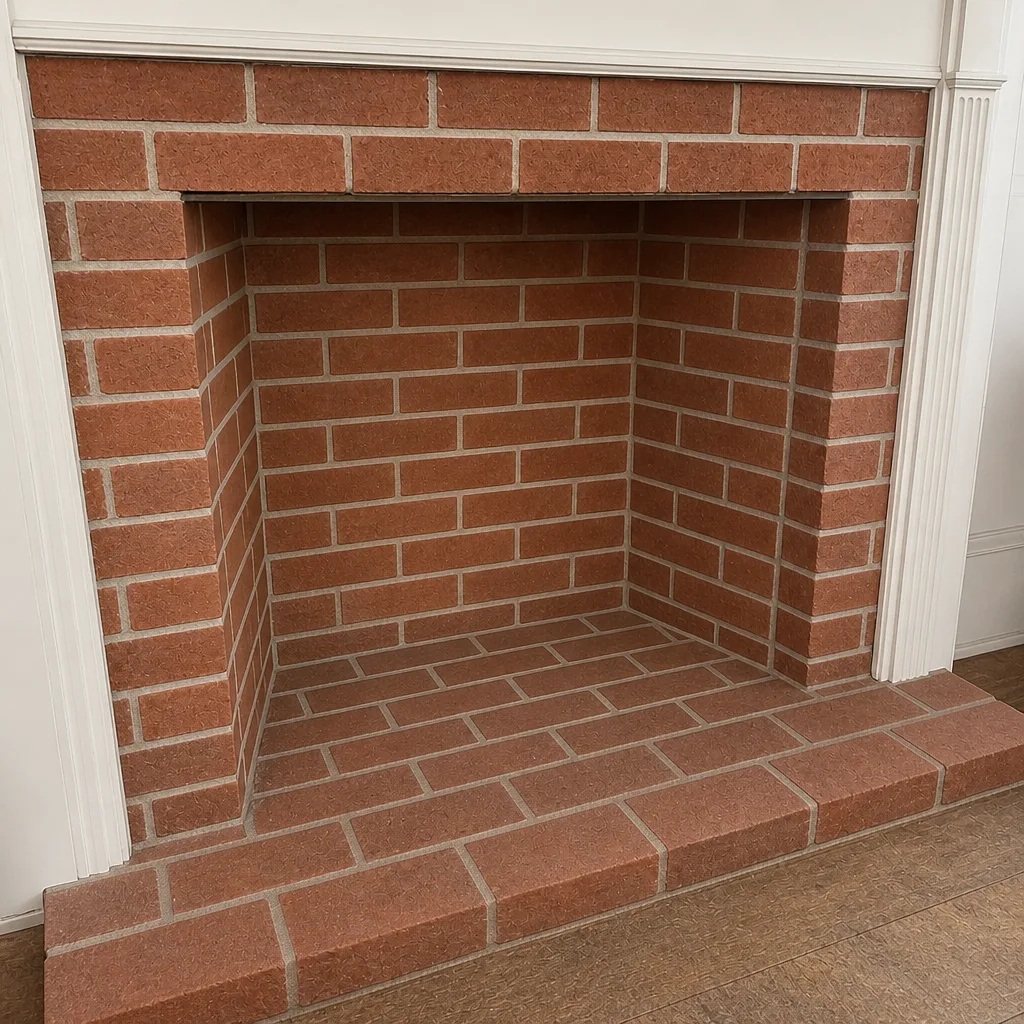 After
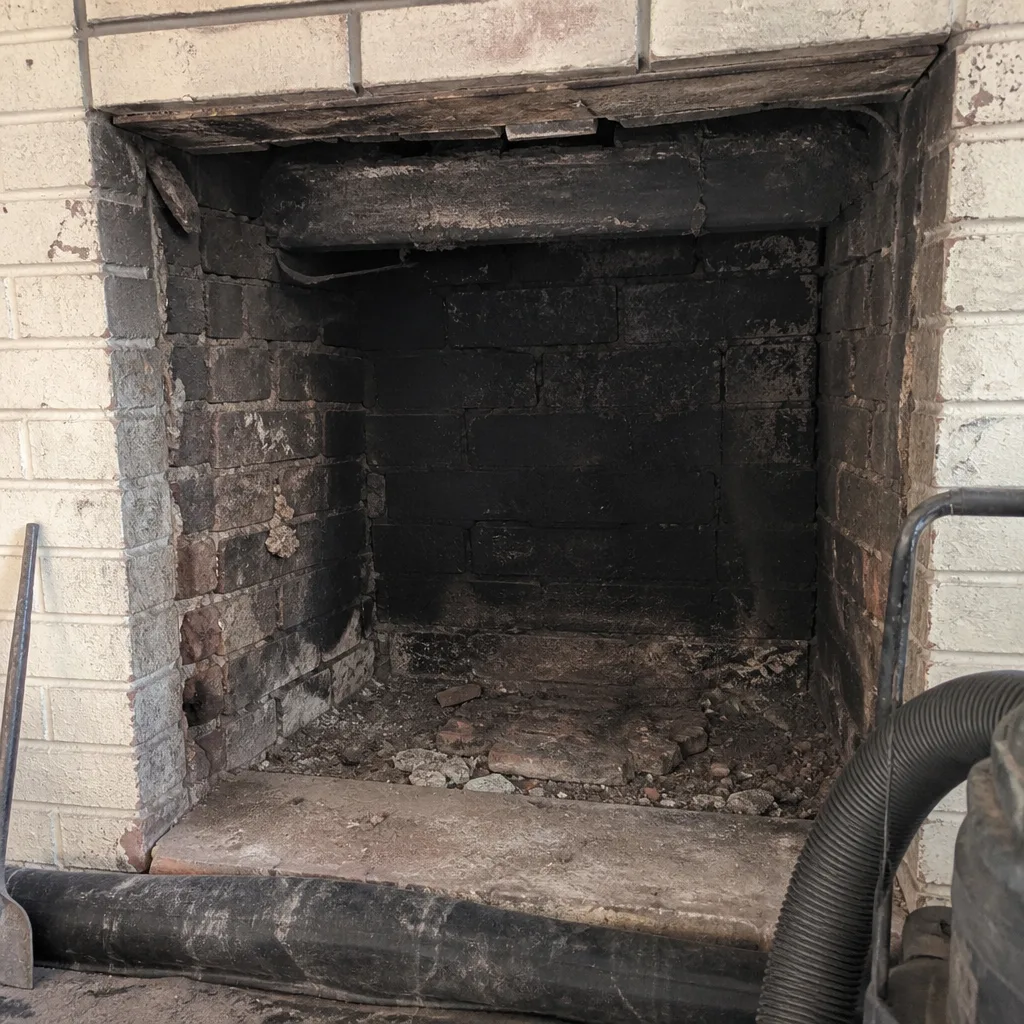 Before
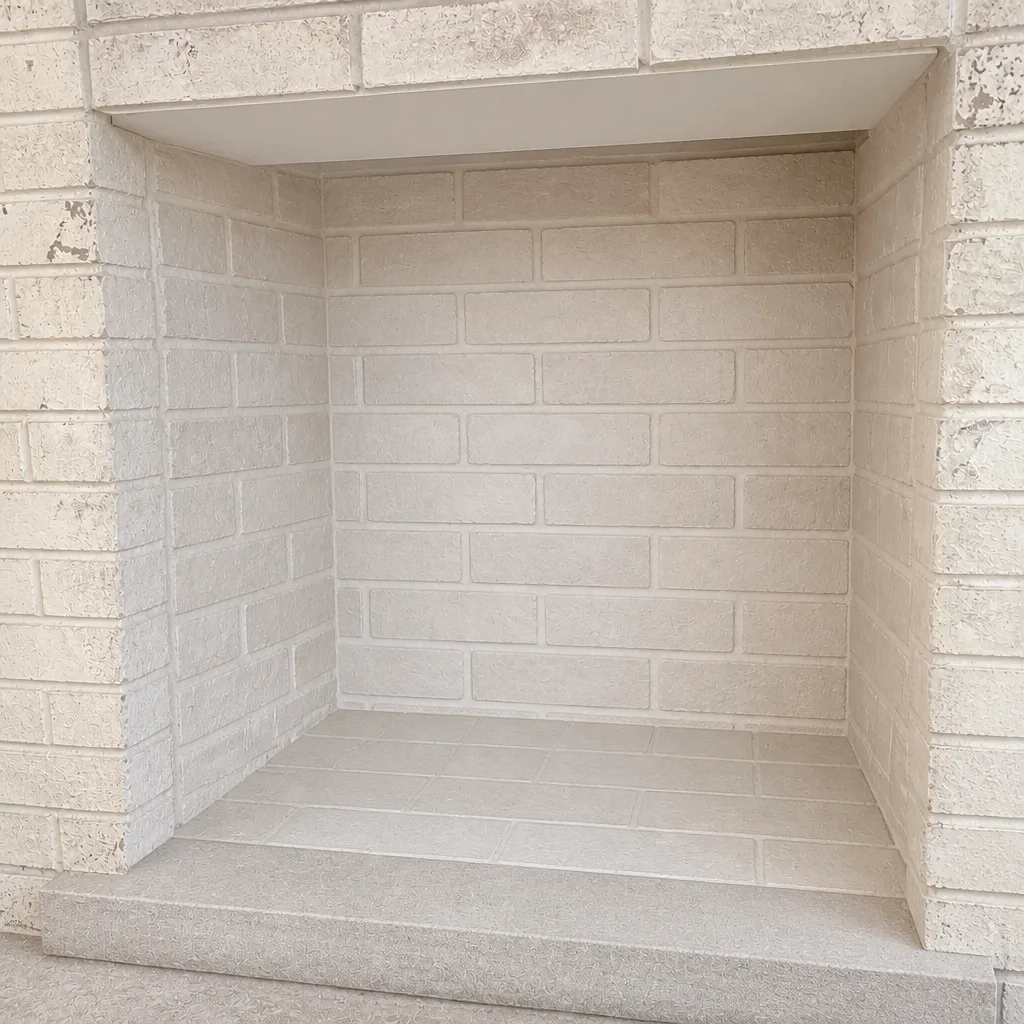 After
Frequently Asked Questions
Cost depends on the fuel type, the liner material, how much creosote has built up, and whether a rotary system is needed, so a written estimate sets the final price. The estimate itself is free. Call (833) 370-3312 for an exact quote – estimates are free.
Once a year for a wood-burning system in regular use, and more often if you burn heavily or burn unseasoned wood. The quarter-inch creosote threshold from the CSIA applies regardless of timing. If you’re not sure, book an inspection and let the findings decide. Call (833) 370-3312 for an exact quote – estimates are free.
Not always. A deteriorated flue can sometimes be restored with HeatShield resurfacing rather than replaced, and a full reline with a DuraFlex system is the right answer when the original liner is too far gone for resurfacing. The decision should rest on what the inspection shows, and you should be able to see that evidence yourself. Call (833) 370-3312 for an exact quote – estimates are free.
Creosote keeps accumulating, and glazed third-stage creosote can ignite and burn hot enough to damage the liner and spread beyond it. A failing liner also compromises how safely combustion gases are vented, which is a carbon monoxide concern. Those are the real risks, and they’re why the annual inspection isn’t optional for an active wood-burning system. Call (833) 370-3312 for an exact quote – estimates are free.
Because the inspection tells the technician what the liner is made of, what’s in the flue, and whether it can be swept safely with the tooling intended. NFPA 211 expects the system’s condition to be established before work proceeds. Cleaning first and inspecting afterward reverses the order and can hide problems.
Yes, on a schedule. Gas systems produce less creosote than wood, but they can leave corrosive residue on the liner and carry venting problems that matter for carbon monoxide safety. An annual inspection is the sensible baseline. Call (833) 370-3312 for an exact quote – estimates are free.
The Bottom Line
A complete chimney cleaning in Tacony is a sequence: assess the fuel, inspect the whole system to the standards NFPA 211 sets, clean with tooling matched to the liner you actually have, and document what you found in writing. The inspection has to come first, because the cleaning method depends on what it reveals, and a damaged liner handled blind is a worse outcome than a dirty one. Whether you burn wood, gas, or oil, the same logic holds: diagnose first, then clean, then put it in writing. Done in that order, a sweep reduces risk. Done out of order, it just makes the chimney look clean. From annual sweep to full liner rebuild, one specialist covers cap to firebox.
Ready to schedule? Call (833) 370-3312 for a free estimate. We answer 24/7, with fast dispatch from 7am to 7pm, Sunday through Friday.
Written by the team at Chimney Sweep Tacony.