
Last updated November 22, 2026
 Sweep & inspection
 Caps & crowns
 Flue relining
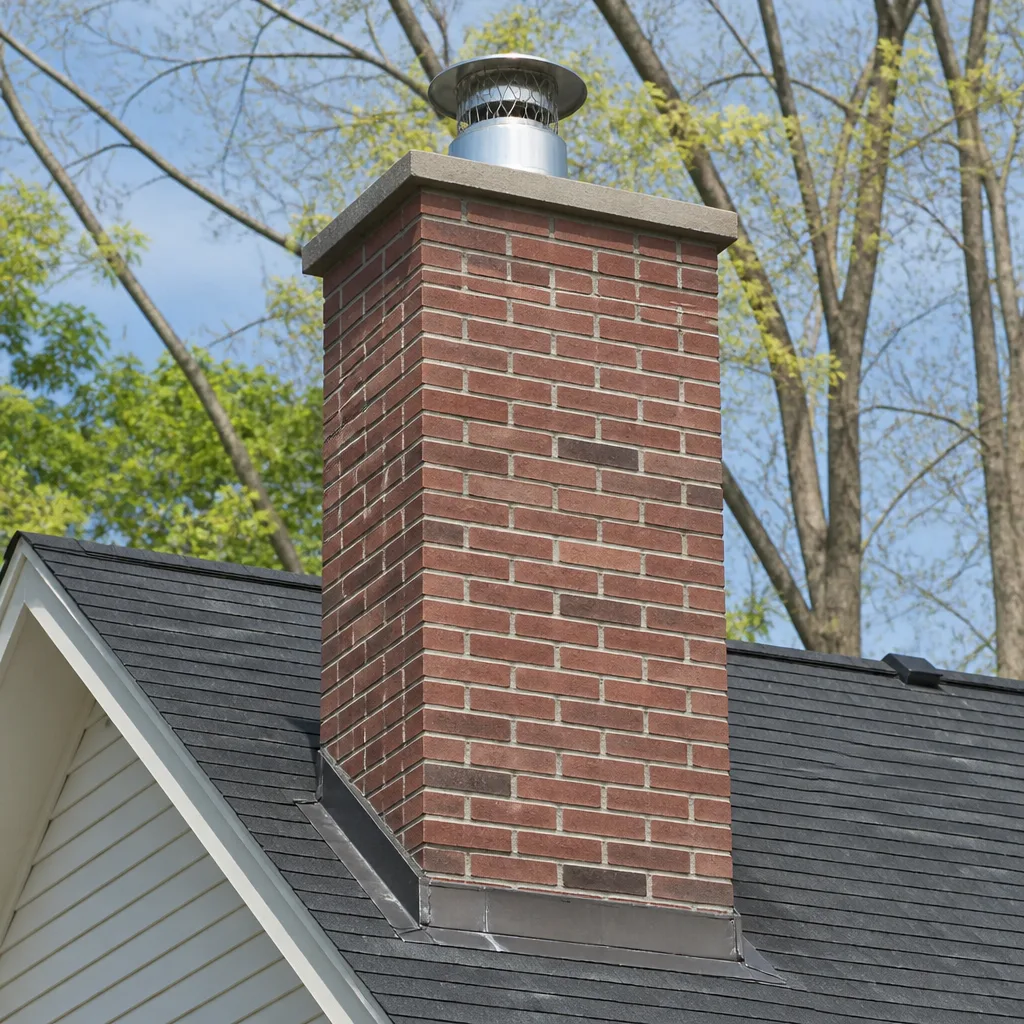 Masonry repair
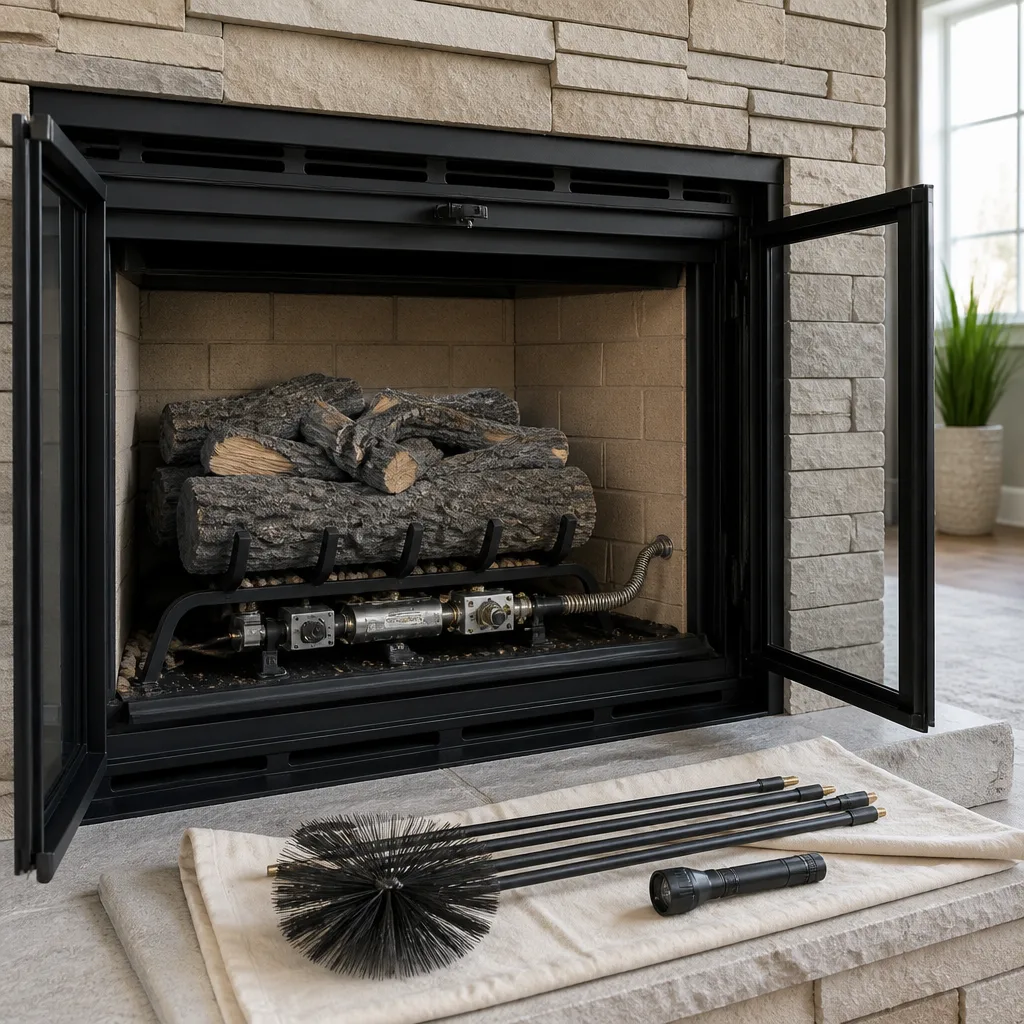 Gas fireplace service
Level 1 sweep and inspection to the NFPA 211 annual standard - flue, crown, cap, and flashing checked and photographed
Chimney sweep logs do not sweep chimneys. They loosen some creosote - which then falls where a brush and vacuum still have to collect it.
DIY vs Professional Chimney Cleaning: The Tacony Homeowner’s Decision Guide
The chimney brush kits stacked near the register at hardware stores are built for one narrow job: an accessible, straight flue lined with an intact, sound liner carrying nothing worse than Stage 1 creosote. That’s a real scenario, and some Tacony homeowners can handle it. But most of the chimneys in Tacony’s older blocks don’t fit that description, and the gap between what the kit is designed for and what’s actually in the flue is where homeowners get into trouble. You don’t clean a compromised chimney yourself. You dislodge hardened deposits into an uncontrolled space. This guide maps the exact conditions that make DIY brushing technically feasible, how to verify each one before you buy a brush, what the equipment actually costs, and where the line sits between a job you can safely do and one that needs a professional. We’ll also cover what a self-cleaning can’t do that your insurance company may care about.
Quick Answer
DIY chimney cleaning is only safe when you can confirm four things: a straight flue, an intact liner verified by inspection, Stage 1 creosote only (soft, sooty, easily brushed), and an accessible cleanout. If any of those is unknown or fails, the job belongs to a professional. In Tacony’s pre-1950 housing stock, the liner and creosote-stage checks usually require a camera or mirror inspection that a homeowner can’t perform, and that alone pushes most local chimneys into professional territory.
Chimney cleaning in Tacony typically runs $150 – $350 for a standard sweep, and that cost includes the inspection that tells you what condition your flue is actually in. The written estimate sets the final price. Call (833) 370-3312 for an exact quote. Estimates are free.
Styles & brands we work with
- Sweep & inspection
- Caps & crowns
- Flue relining
- Masonry repair
- Gas fireplace service
Table of Contents
- The Four Conditions That Make DIY Chimney Cleaning Feasible
- Equipment Reality Check: What a Real DIY Sweep Requires
- Why Tacony’s Older Housing Stock Skews Toward Professional
- Creosote Stages: The Variable No Hardware Kit Can Measure
- What You Cannot Do Yourself: Liner, Firebox, and Compliance
- The Liability Question: Insurance After a Self-Cleaning
- Cost Comparison: DIY vs Professional in Tacony
- The Light Maintenance That Is Safely Yours
The Four Conditions That Make DIY Chimney Cleaning Feasible
Before you buy a brush, work through these four checks in order. Each one is a pass-or-stop gate. If a gate fails, stop there.
- Straight flue. A straight run from the top of the chimney down to the smoke chamber means a brush can travel the full length without binding. Offsets, bends, and back-drafting flues make a brush jam or bypass sections entirely, which leaves deposits behind while giving you a false sense of having cleaned.
- Intact liner. You need to know the liner is continuous with no cracks, gaps, or spalling tile. This is the check most homeowners can’t complete without a camera or an angled mirror and a strong light. A brush run against a cracked tile can catch on an edge and widen the crack.
- Stage 1 creosote only. Stage 1 is soft, flaky, and easy to remove. Stage 2 is hardened and glossy. Stage 3 is baked-on and requires cutting tools, not brushing. You can identify Stage 1 with a mirror and a flashlight; Stage 2 in a hidden flue section is much harder to confirm from below.
- Accessible cleanout. A cleanout door at the base of the chimney that opens freely, with room to work and a sealed bag or bucket to catch the dust. Without one, the sweep dust goes into your living space.
If all four pass, and only then, a homeowner with basic tools and a willingness to work carefully can brush a Stage 1 flue. If any one fails, you’re past the boundary where DIY makes sense in Tacony.
Equipment Reality Check: What a Real DIY Sweep Requires
A hardware store chimney brush kit typically includes a poly brush head, a few fiberglass rods, and a hand drill adapter. That’s the starting line, not the whole kit. A proper DIY cleaning in a Tacony home requires more, and the cost of putting it together often lands close to a professional sweep.
What a real DIY sweep needs
- Brush heads in the right size and material. Poly for stainless and clay-lined flues, wire only for creosote-heavy or unlined masonry (and never for stainless). The wrong material scores the liner.
- Enough rods to reach the bottom. A two-story chimney with a cleanout at the base may need 25 feet or more of rod; kits often stop short.
- A shop vacuum with a HEPA filter and a chimney-specific dust bag. Ash and creosote dust is fine and travels. Without containment, it coats the room.
- Drop cloths and plastic sheeting. Sealing the firebox opening before sweeping is not optional.
- Respirator and goggles. Creosote dust and soot are respiratory irritants and, in prolonged exposure, a health concern.
- Ladder safety gear. Roof access is the riskiest part of any DIY sweep, and falling is the most common chimney-related injury.
Add those pieces up and a realistic first-time DIY setup costs more than a single professional sweep. If you clean once a year and never again, the math favors hiring. If you clean every season for a decade, the equipment pays for itself only if the chimney stays in the four-condition zone the whole time. In Tacony’s older homes, that’s a big if. We stock Famco and Copperfield components because they hold up in this housing stock; a homeowner won’t have those on a shelf, and most won’t need them unless something fails.
Why Tacony’s Older Housing Stock Skews Toward Professional
Most of Tacony’s residential blocks date to before 1950, and those chimneys often still have the original clay tile liner. Original tile, when it’s intact, is a fine liner. The problem is that it doesn’t stay intact silently. We’ve seen plenty of Tacony chimneys where the tile looked sound at the top and had a hairline crack two feet down that was invisible from the roof.
Why that matters for DIY: the integrity of the liner can’t be confirmed without a camera inspection or a mirror run through the flue. A flashlight from below shows only the bottom few feet. A view from the roof shows the top. The middle, where heat stress and moisture damage concentrate, is where failures start, and that’s exactly the section a homeowner sweeping from the top or bottom won’t see.
Tacony’s housing also includes chimneys originally built for coal, later converted to wood or gas, and chimneys with offsets built around the roofline. Each conversion and each offset changes the cleaning logic. A converted coal chimney may have a flue the wrong size for the appliance now connected to it. An offset means the brush can’t run the full length. Those are professional calls, not DIY ones.
In our experience, the fastest way to know what you’re dealing with is a camera inspection with a photo report. That’s the point where the DIY-versus-pro question usually answers itself. If the liner is intact, the creosote is Stage 1, and the flue is straight, we’ll tell you. If it isn’t, you’ll see photos of exactly why.
Creosote Stages: The Variable No Hardware Kit Can Measure
Creosote forms in three stages, and only the first is a brushing job.
- Stage 1: soft, sooty, flaky. Brushes off with a poly head. Common in a chimney run hot and cleaned regularly. This is the DIY zone.
- Stage 2: hardened, glossy, tar-like. Forms when smoke cools before it exits, depositing tar on the flue walls. Brushing with a poly head pushes it around; a wire head may remove some but risks scoring the liner. Requires professional equipment and technique.
- Stage 3: baked-on, fuel-rich deposits. Hard, crusty, sometimes resembling porous rock. Requires rotary cutting tools and is a fire hazard at a level a brushing cannot address.
Why Tacony homes land in Stage 2 more often than homeowners expect
Two things drive creosote past Stage 1: burning unseasoned wood, and running the appliance at low, smoldering settings. Both are common in Tacony, where homeowners burn what’s available and damper down overnight to stretch a load. The result is a flue that looks clean enough from the firebox but has a hardened layer higher up. A hardware store kit won’t remove it, and a homeowner who tries may dislodge chunks that fall into the smoke chamber and stay there. That’s not cleaning; it’s relocating the problem.
If you’ve ever seen shiny black glaze on the inside of your firebox or the visible top section of the flue, that’s a sign to bring in a professional. Call (833) 370-3312 and we’ll set up an inspection. Estimates are free.
What You Cannot Do Yourself: Liner, Firebox, and Compliance
Cleaning the flue is only one part of a chimney service. Four things a homeowner cannot responsibly do during a DIY sweep:
- Assess liner integrity. Cracks, gaps, and spalling need a camera run or a mirror inspection with the right lighting. A visual from the firebox doesn’t cover it, and a visual from the roof doesn’t cover the middle.
- Evaluate firebox refractory condition. The firebox brick, the refractory panels, and the mortar joints are subject to heat cycling and can crack. Cracks in the firebox let heat reach framing. A sweep is the natural moment to check; a homeowner sweeping doesn’t know what to look for.
- Document compliance with NFPA 211. The National Fire Protection Association’s chimney standard is the reference insurance carriers and many municipal inspectors use. A professional sweep documents the inspection and the condition on the date of service. A homeowner sweeping their own chimney has no documentation, which matters if a claim ever comes up.
- Make the call on repairs. A cracked crown, a failing mortar joint, a cap that’s come loose, a damper that doesn’t seat. Each of those is a chimney repair decision, not a sweep decision. A generalist handyman may not spot them; a homeowner sweeping may not either. Our chimney repair work exists precisely because most of these are caught during a sweep, not after a problem.
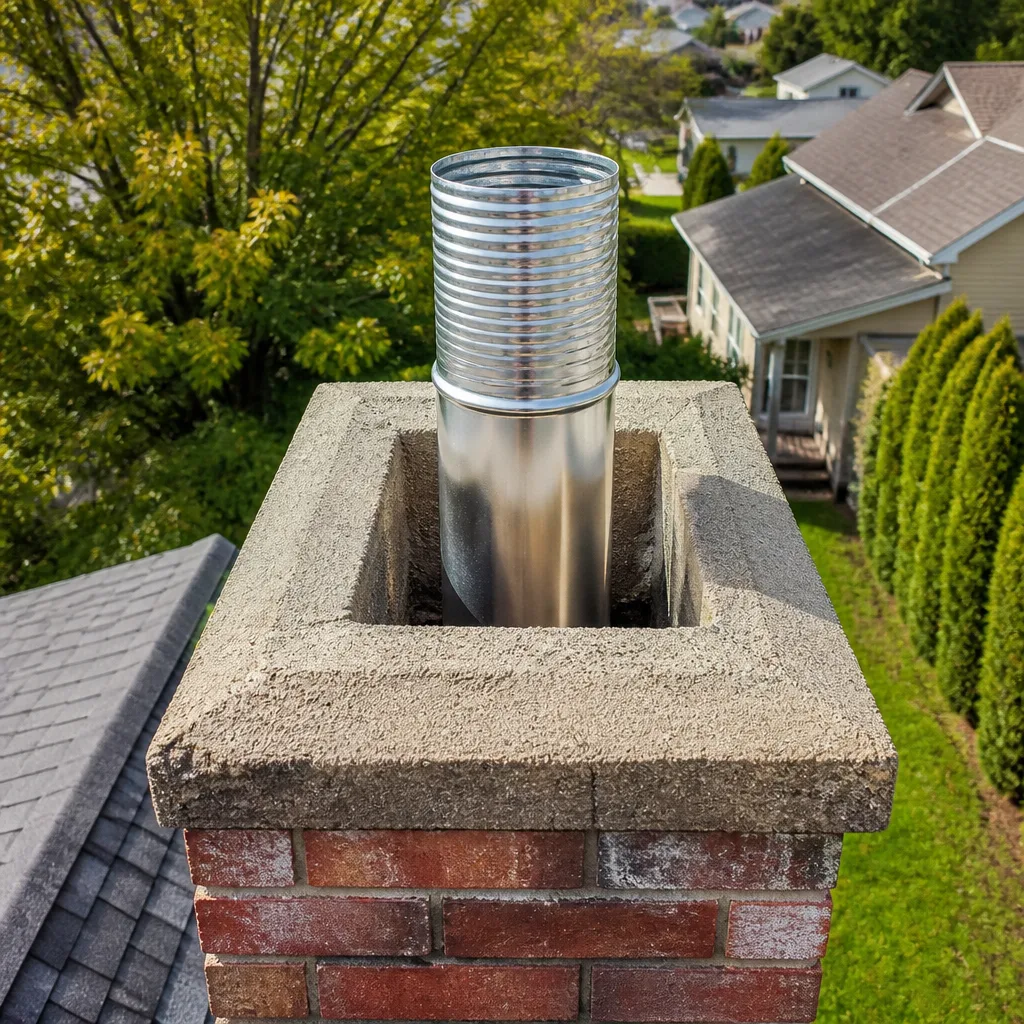
If the sweep turns up a liner issue, the repair path isn’t automatically a full rebuild. We use HeatShield, a professional liner resurfacing system, as a proven first option before recommending replacement. HeatShield can restore a liner with limited cracking without the cost of a full reline. When a reline is needed and the flue has bends or offsets, we install DuraFlex flexible liner systems, which are designed for exactly those non-standard configurations. And our chimney cap & crown work protects the flue and the crown from water intrusion, which is the leading cause of the liner damage we find in Tacony.
The Liability Question: Insurance After a Self-Cleaning
Here’s the question at the heart of the DIY decision, and it’s the one most homeowners never hear answered directly. If a chimney fire happens after you cleaned your own flue, what happens to your insurance claim?
Insurance carriers don’t have a blanket rule against homeowner maintenance, and a self-cleaned chimney isn’t automatically excluded. But claims involving a chimney fire usually trigger a cause-and-origin investigation. The carrier will want to know when the chimney was last serviced, by whom, and whether the condition that caused the fire was consistent with regular professional maintenance. If the answer is “the homeowner brushes it every fall,” the documentation gap is real: no dated inspection, no record of creosote stage, no confirmation of liner condition at the last service. The claim may still be paid. The investigation takes longer, and the carrier has more room to argue about whether the loss was preventable.
What a professional sweep gives you is a dated record. It says: on this date, the flue was swept, the liner condition was this, the creosote stage was this, and any noted deficiencies were reported to the homeowner. That record doesn’t guarantee a claim is paid, but it removes the ambiguity a carrier otherwise has to work through on its own timeline. For a Tacony homeowner with an older chimney, that’s the strongest argument for professional service that has nothing to do with the cleaning quality itself.
If you have questions about what your policy expects, ask your carrier directly. If you want the inspection on record, we can set it up.
Cost Comparison: DIY vs Professional in Tacony
Run the numbers honestly and the DIY math is closer than most homeowners expect for a one-time cleaning, and worse across multiple seasons.
Typical cost ranges
- Professional standard sweep in Tacony: $150 – $350. Includes the sweep, an inspection, and a photo report of any issues found. The written estimate sets the final price.
- Professional sweep plus camera inspection: $250 – $450. The camera is what gives you liner confirmation. Worth doing at least once on an older Tacony chimney.
- Professional reline (if the liner fails): $2,500 – $6,500 depending on flue configuration, liner material, and length. This is a major repair; most homeowners put it off until a sweep or fire forces the issue.
- First-time DIY setup: roughly $150 – $300 if bought piecemeal (brush heads, rods, respirator, HEPA shop vac, drop cloths). Cheaper if you already own the vac and safety gear.
- DIY per season after setup: $0 in equipment, some in time (2 – 4 hours), and some in risk if the flue condition changes without your knowing.
The honest comparison isn’t cost. It’s what you’re buying. A professional sweep buys you a dated inspection record, a liner assessment, and the photo evidence to decide whether repairs are needed. A DIY sweep buys you a cleaner-looking flue and no record. For a first-time cleaning on a pre-1950 Tacony chimney, the professional sweep is the right call. For an annual re-check on a known-sound chimney, DIY can be a reasonable supplement, provided your four-condition check passes every time.
Call (833) 370-3312 for an exact quote on a Tacony sweep. Estimates are free, and we’ll tell you straight whether you need a sweep or a repair.
The Light Maintenance That Is Safely Yours
There is a real, small set of chimney tasks a homeowner can and should do between professional sweeps. These don’t involve the flue interior and don’t require climbing the roof.
- Open the damper and check for debris before every fire. Birds, leaves, and debris fall down the flue; a quick look up with a flashlight before the first fire of the season catches most of it.
- Keep the firebox clear of ash buildup. Ash should stay below the lip of the firebox grate. Two inches of ash is fine; a heavy buildup changes how the fire burns and can affect damper operation.
- Burn dry, seasoned wood. Firewood with visible green or wet ends drives creosote formation. Seasoned wood (six months or more split and stacked) burns hotter and deposits less.
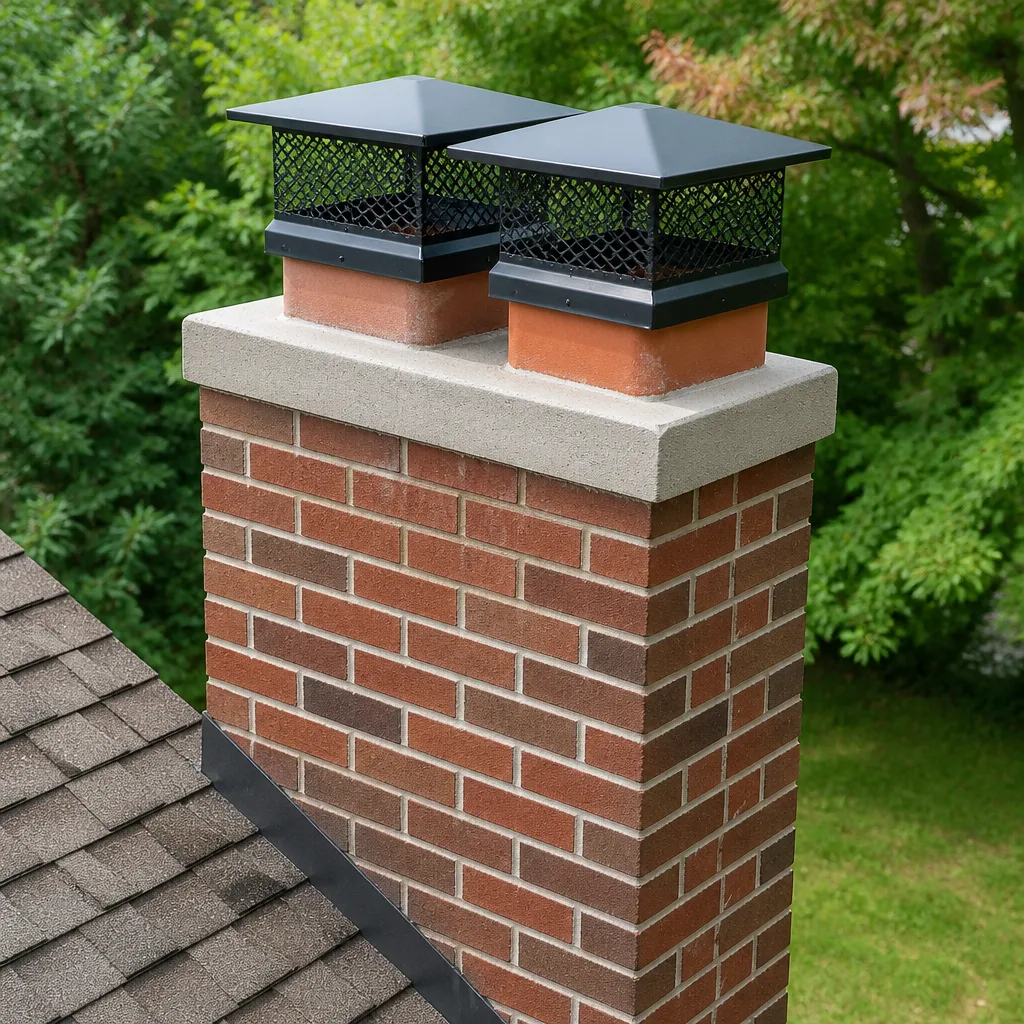
- Watch the cap and crown from the ground. A cap that’s tilted or come loose, or a crown with visible cracks, is a call-us item, not a climb-up-there item. Our chimney cap & crown work addresses exactly those.
- Note any odd smells or smoke back-drafting into the room. These usually point to a blockage or a pressure issue and are worth a professional look.
- Check the smoke and carbon monoxide detectors. Replace batteries and test the units before the heating season starts. This is the single most important piece of chimney safety in any home.
What’s not on this list: anything that involves getting on the roof, running a brush down the flue, or working around the firebox refractory. Those are the four-condition DIY checks or professional territory.
Common Mistakes to Avoid
- Buying a brush before confirming the creosote stage. A poly brush on Stage 2 creosote pushes it around instead of removing it, and the flue looks cleaner than it is. Check the stage first, then buy.
- Running a brush against a cracked tile. A wire or poly brush on a spalled tile edge can catch and widen the crack. Confirm liner integrity before you run the brush.
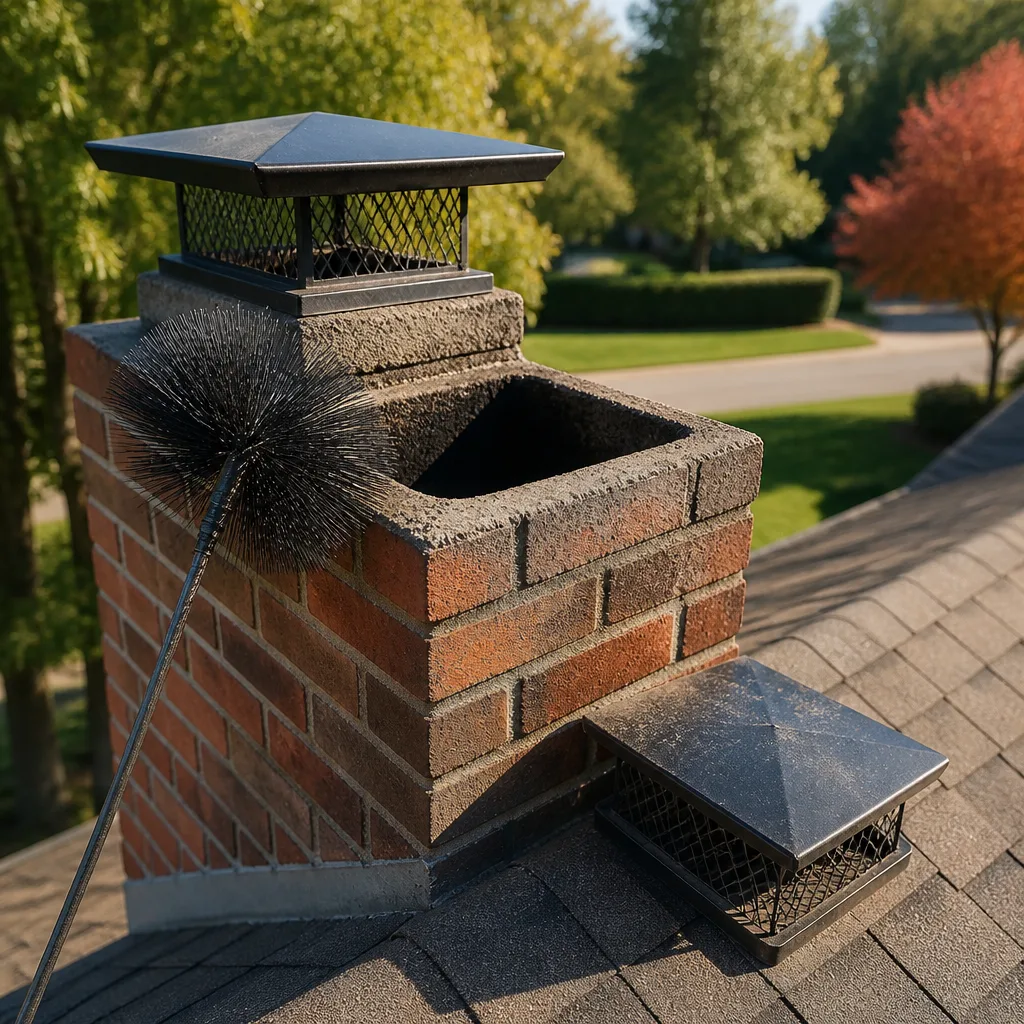
- Sweeping from the top without sealing the firebox. Ash and soot travel through the house. Seal the firebox opening with plastic before the first stroke, every time.
- Assuming the flue is straight because the firebox is. Tacony’s pre-1950 chimneys frequently have offsets and flue transitions built around the roofline. Look up with a mirror before assuming a full-length brush run is possible.
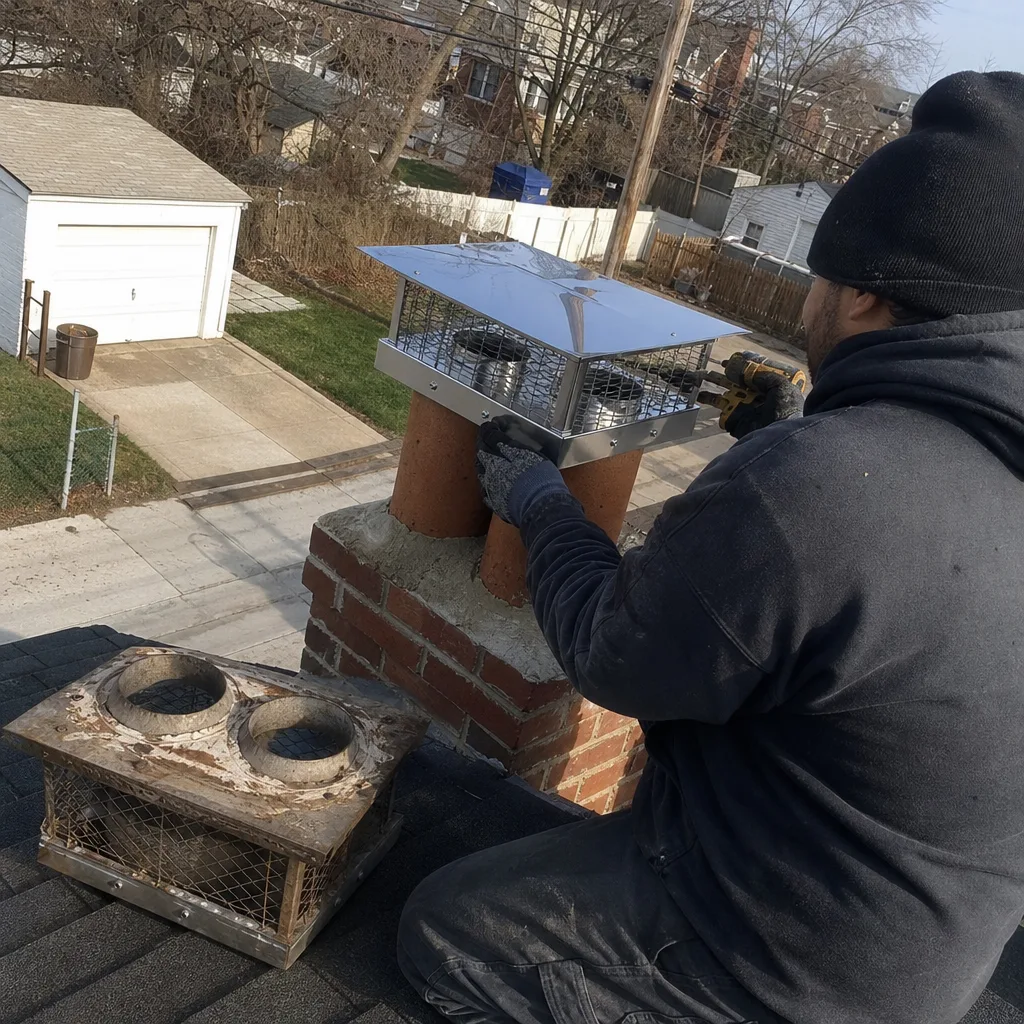
- Skipping the roof inspection. The cap, crown, and top of the flue are the leading indicators of water intrusion and liner damage. A sweep without a roof check is a partial service.
- Burning the wrong wood to save money. Seasoned wood costs more than green wood, but green wood drives Stage 2 creosote, which costs far more to remove or repair.
- Cleaning on a windy day. Fine ash travels farther through the house when the appliance drafts erratically. Check the weather before scheduling a DIY sweep, or just book us and let us handle the conditions.
See the difference
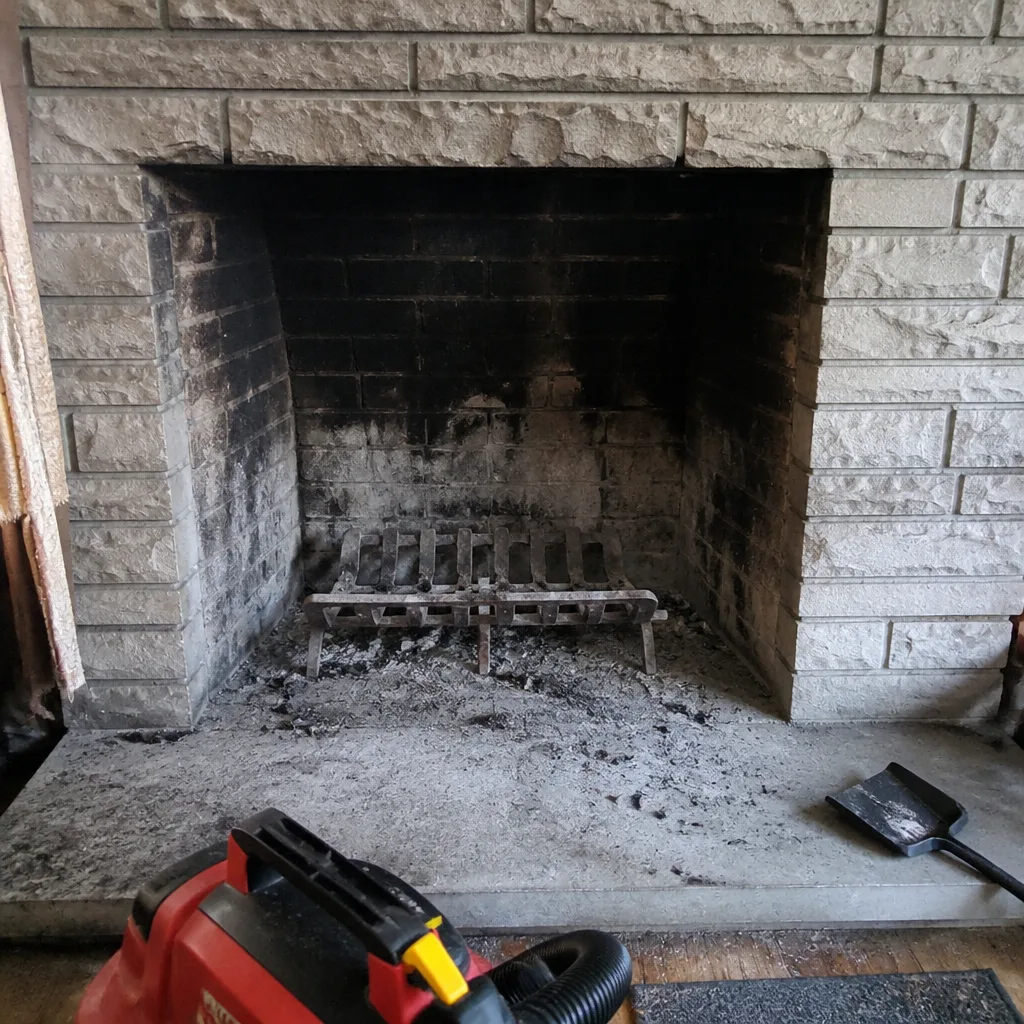 Before
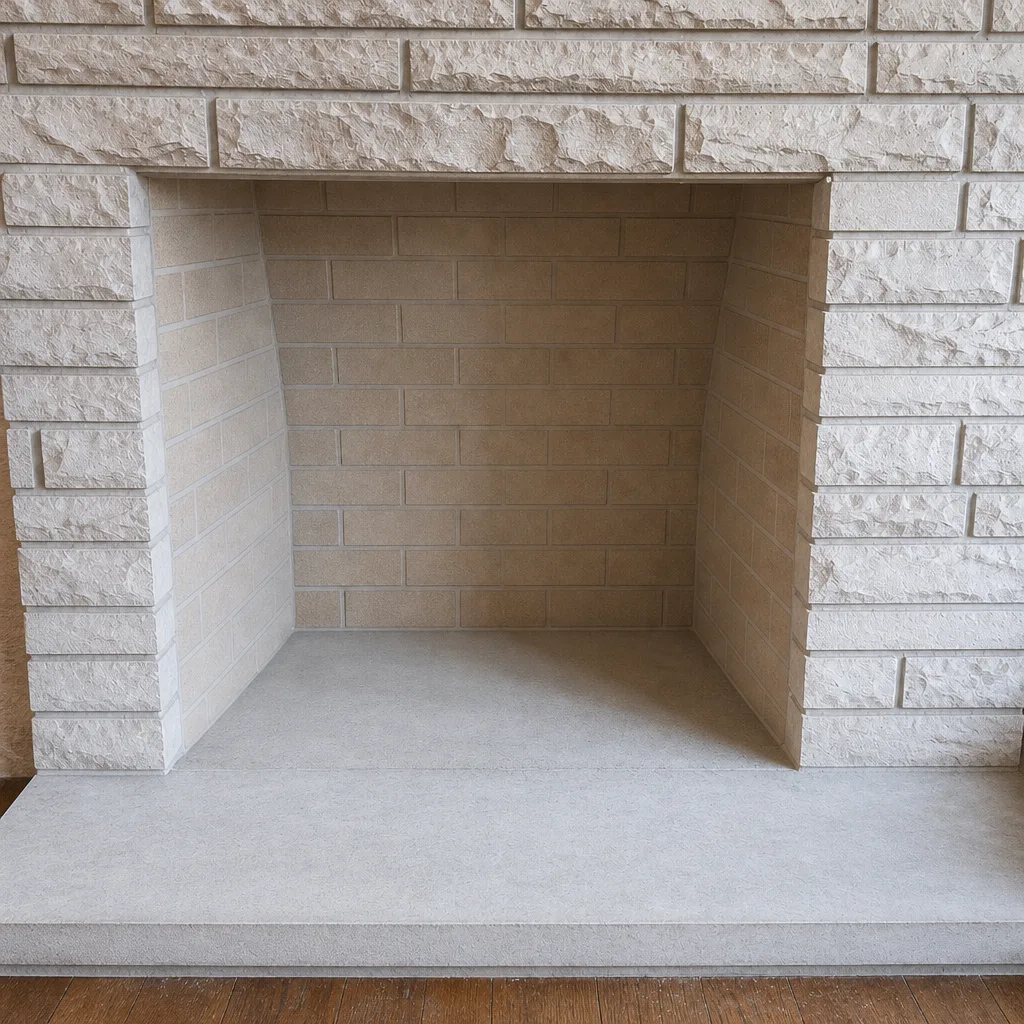 After
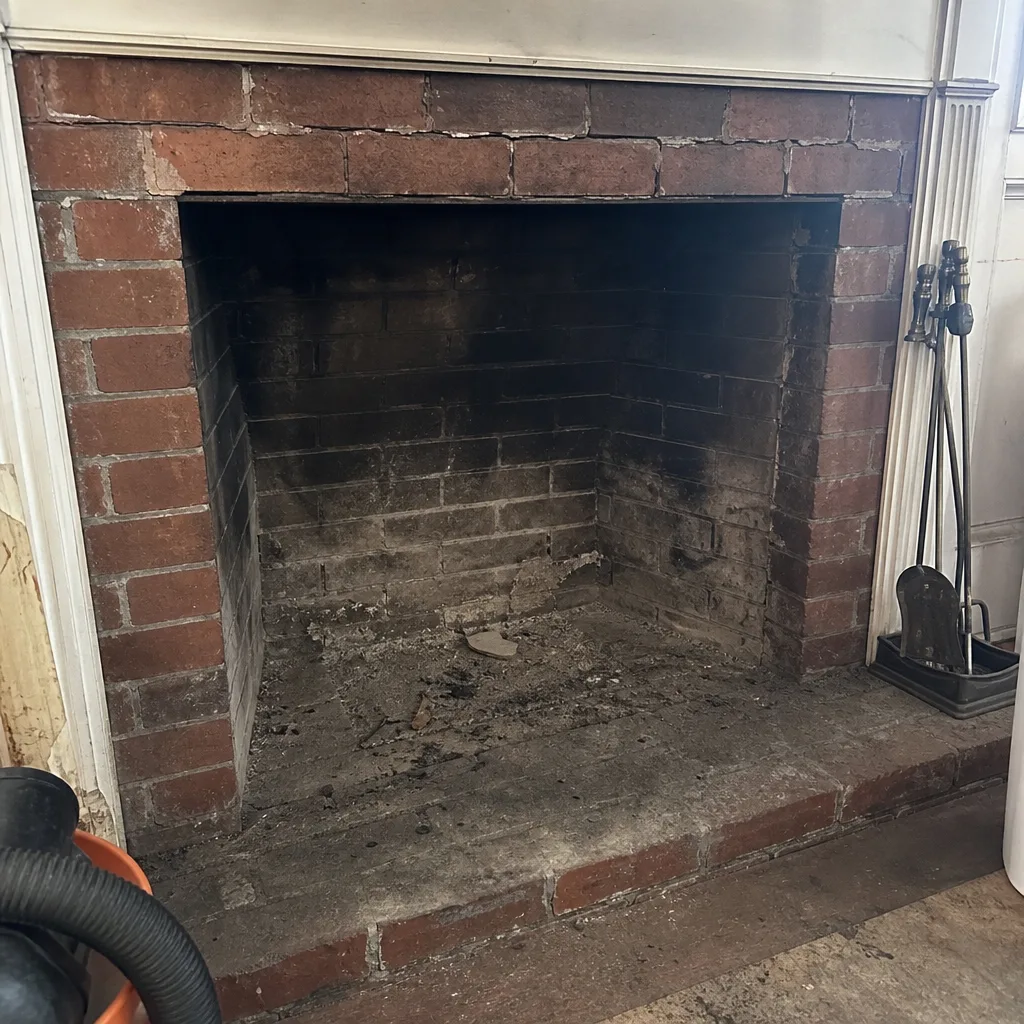 Before
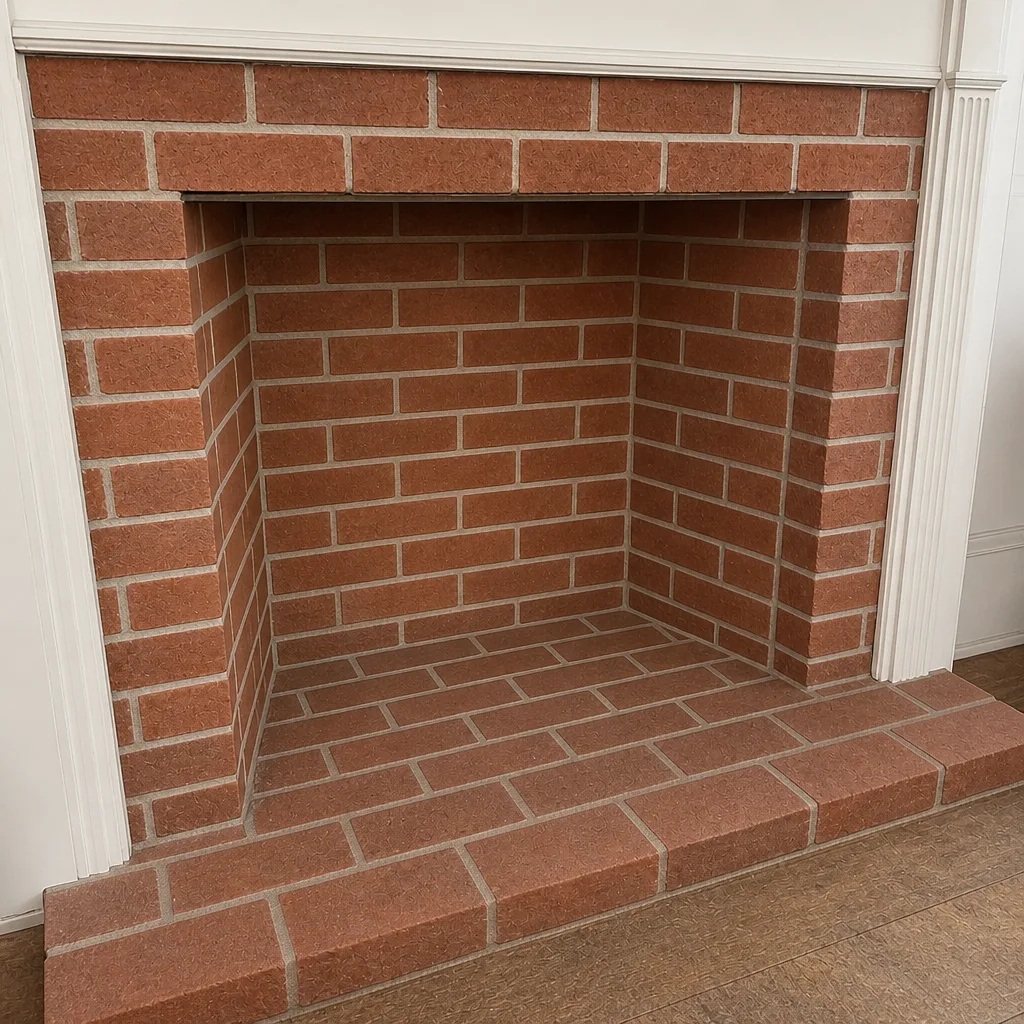 After
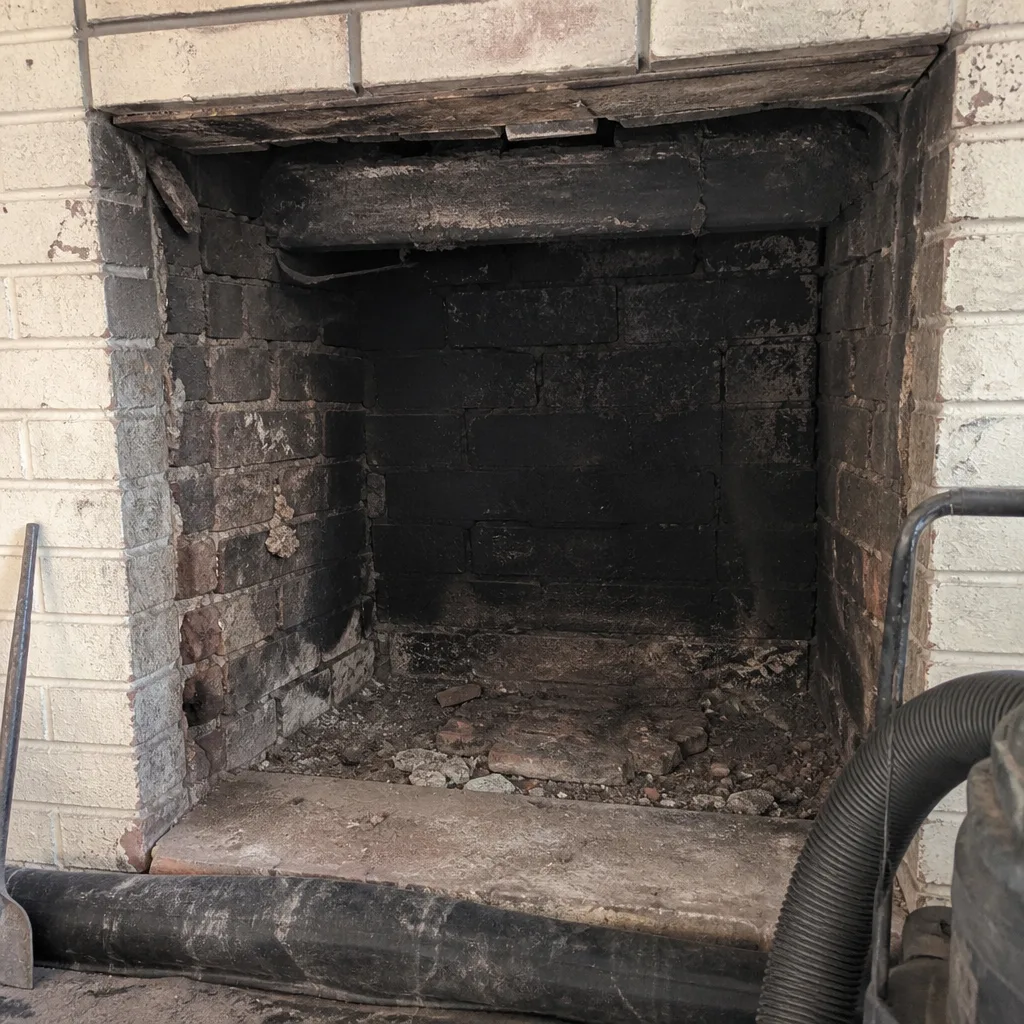 Before
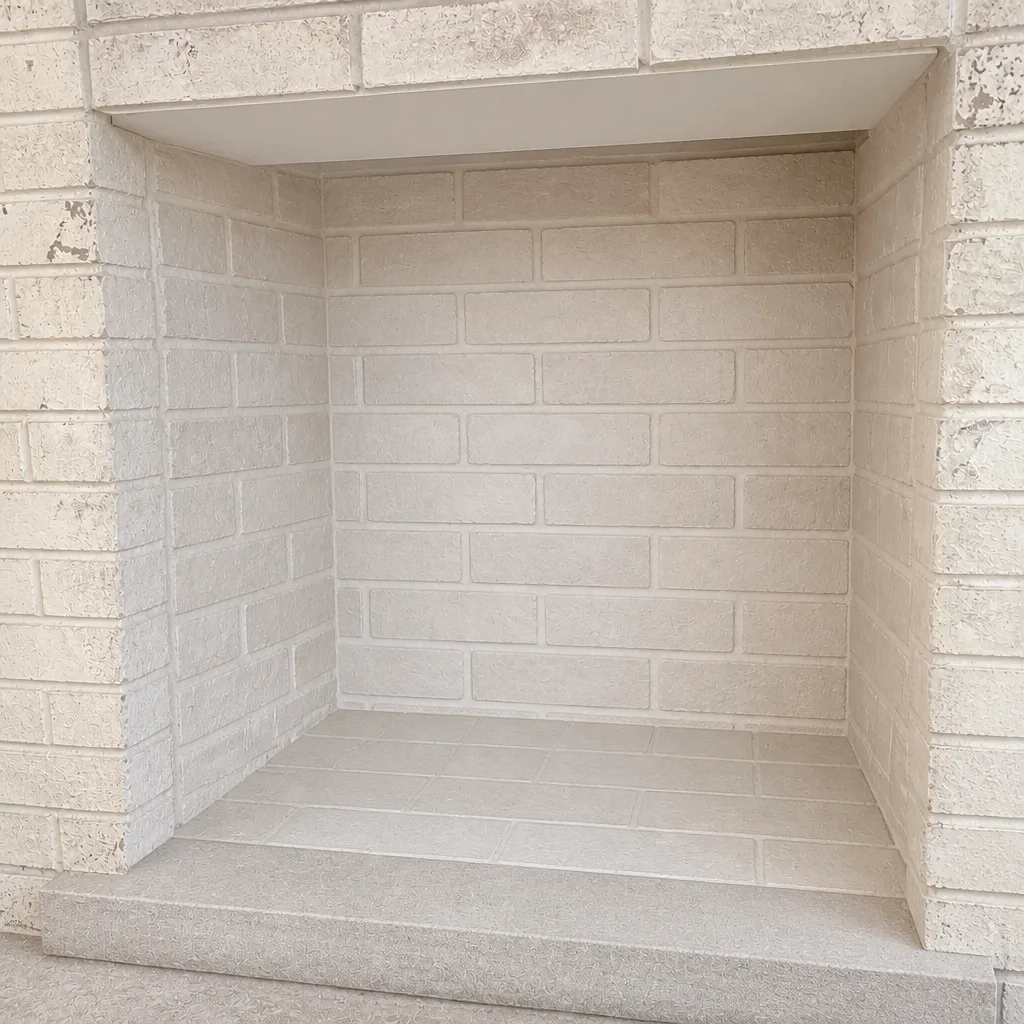 After
When to Call a Professional
Call a professional when any of these is true: you can’t confirm liner condition without a camera, your creosote looks glossy or baked-on rather than soft and flaky, your flue has an offset or transition, your firebox has visible cracks, your cap or crown has moved or cracked, or your last cleaning has no dated record. Call us as well if this is the first cleaning on a Tacony chimney you haven’t owned for long, since the condition at the start tells you what to expect going forward. And call when you simply want the work on record for your insurer.
Chimney Sweep Tacony offers free estimates in Tacony. Call (833) 370-3312. We answer 24/7. Fast dispatch from 7am to 7pm, Sunday through Friday.
Our technicians have up to 13 years of experience, and our work spans the whole chimney system, from brushing the flue to installing a DuraFlex flexible liner to a full structural rebuild. From annual sweep to full liner rebuild, one specialist, one call. Our chimney sweep service includes the camera inspection and a photo report, so you can see exactly what we see before any repair is recommended. If you’re looking for the homepage, Chimney Sweep Tacony lays out the full scope.
Frequently Asked Questions
Only if four conditions pass: a straight flue, an intact liner verified by inspection, Stage 1 creosote only, and an accessible cleanout. In Tacony’s pre-1950 housing, the liner and creosote-stage checks usually require a camera or mirror run, which most homeowners can’t do. If any condition can’t be confirmed, the job belongs to a professional. Call (833) 370-3312 for an inspection and exact quote. Estimates are free.
A standard sweep in Tacony typically runs $150 – $350, including the sweep and an inspection with a photo report. A sweep plus a camera inspection is typically $250 – $450. The written estimate sets the final price. Call (833) 370-3312 for an exact quote. Estimates are free.
Stage 1 is soft, sooty, and flaky; brushes off with a poly head. Stage 2 is hardened and glossy; a brush pushes it around and a wire head risks scoring the liner. Stage 3 is baked-on and requires rotary cutting tools. Only Stage 1 is a safe DIY brushing job. If you see glossy buildup, call (833) 370-3312 to schedule a professional sweep. Estimates are free.
Usually, yes, but the claim is more likely to trigger a cause-and-origin investigation, and the documentation gap of a self-cleaned chimney gives the carrier more room to question whether the loss was preventable. A professional sweep provides a dated record of the flue’s condition on the service date. Ask your carrier what they expect; if you want the inspection on record, call (833) 370-3312. Estimates are free.
The crack can widen, and the brush may dislodge a piece of tile that falls into the smoke chamber or firebox. That piece can block the flue or damage the damper. This is why the liner condition has to be confirmed before a DIY brushing. If you’re not sure, call (833) 370-3312 for a camera inspection first. Estimates are free.
Most chimneys should be swept annually, or after every cord of wood, whichever comes first. Gas fireplaces and appliances should be inspected annually even though they don’t produce creosote the way wood does. Tacony’s older chimneys, with original tile and the possibility of offsets, benefit from an annual camera check until the liner condition is well-established. Call (833) 370-3312 to set up a sweep. Estimates are free.
HeatShield is a professional liner resurfacing system that can restore a liner with limited cracking before full replacement is the only option. It works when the liner is structurally intact enough to hold the resurfacing, which is why a camera inspection comes first. If a full reline is needed, DuraFlex flexible liner systems handle offsets and non-standard flue configurations. We use Gelco and Olympia Chimney components where the job calls for them. Call (833) 370-3312 to find out which path fits your chimney. Estimates are free.
The Bottom Line
DIY chimney cleaning is a real option for a narrow set of chimneys: straight flue, intact liner, Stage 1 creosote, accessible cleanout. Outside that set, brushing the flue without confirming condition isn’t cleaning, it’s dislodging debris into a space you can’t see. In Tacony’s older homes, that boundary usually sits at the liner check, which requires a camera inspection most homeowners can’t complete alone. The professional sweep gives you a dated record, a liner assessment, and a photo report to compare against next year. And if the flue has a problem, the scope of the fix spans the whole chimney, cap to firebox, with one specialist handling it. Call (833) 370-3312 for a free estimate. We answer 24/7. Fast dispatch from 7am to 7pm, Sunday through Friday.
Written by the team at Chimney Sweep Tacony.