
Last updated November 22, 2026
 Sweep & inspection
 Caps & crowns
 Flue relining
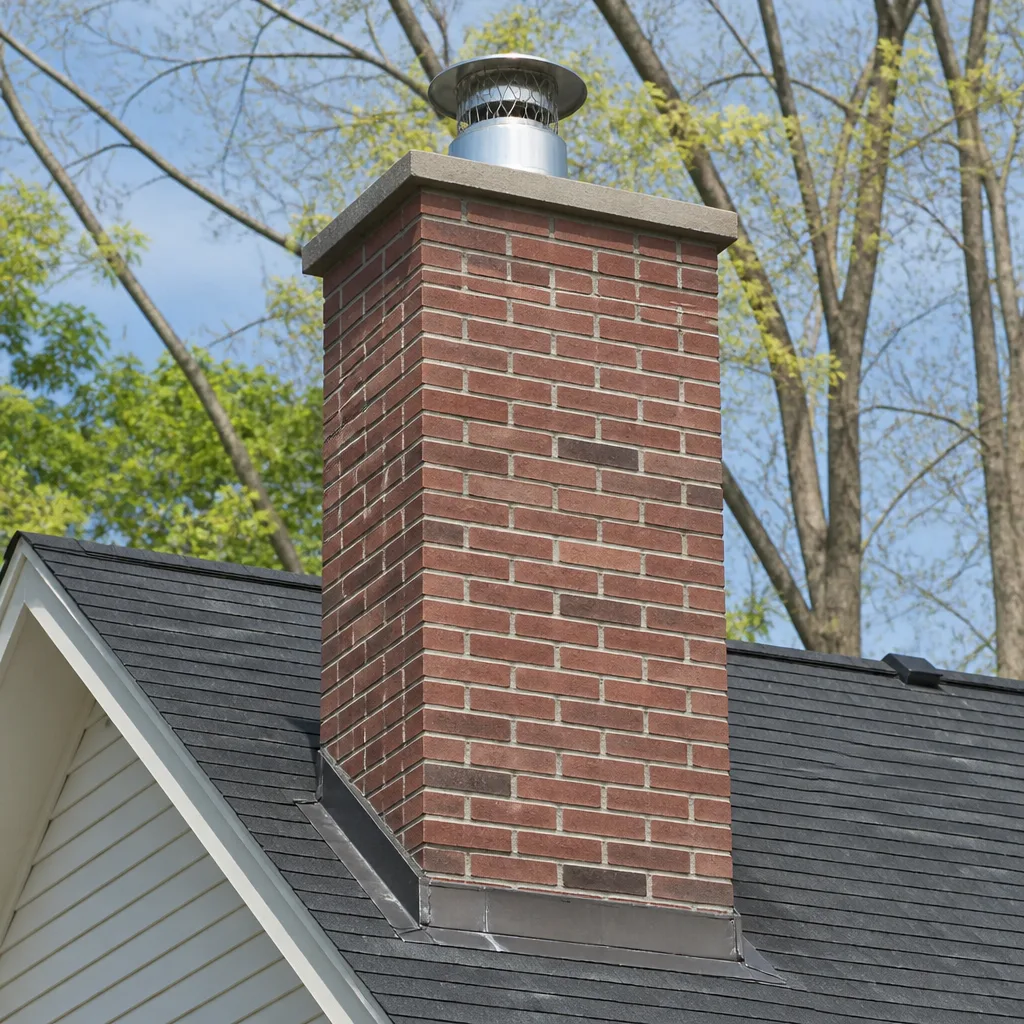 Masonry repair
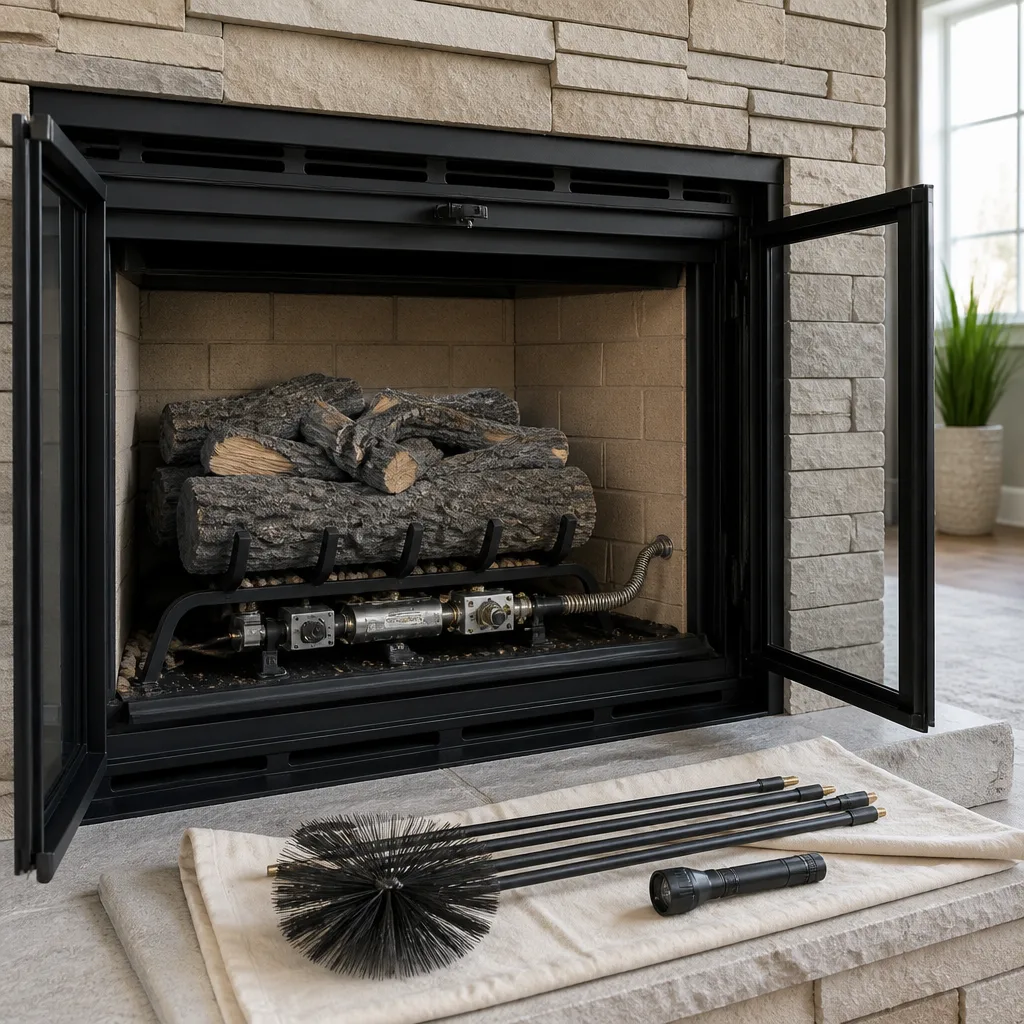 Gas fireplace service
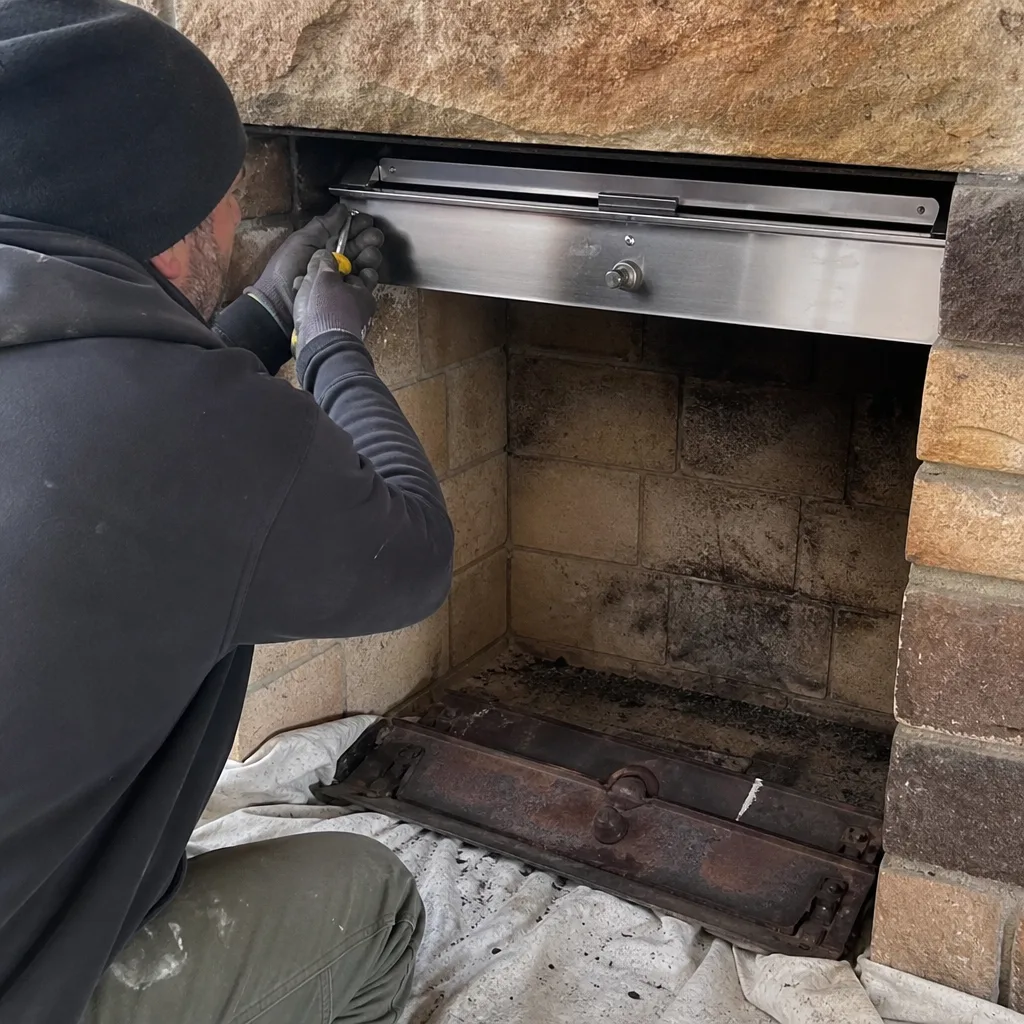
Level 1 sweep and inspection to the NFPA 211 annual standard - flue, crown, cap, and flashing checked and photographed
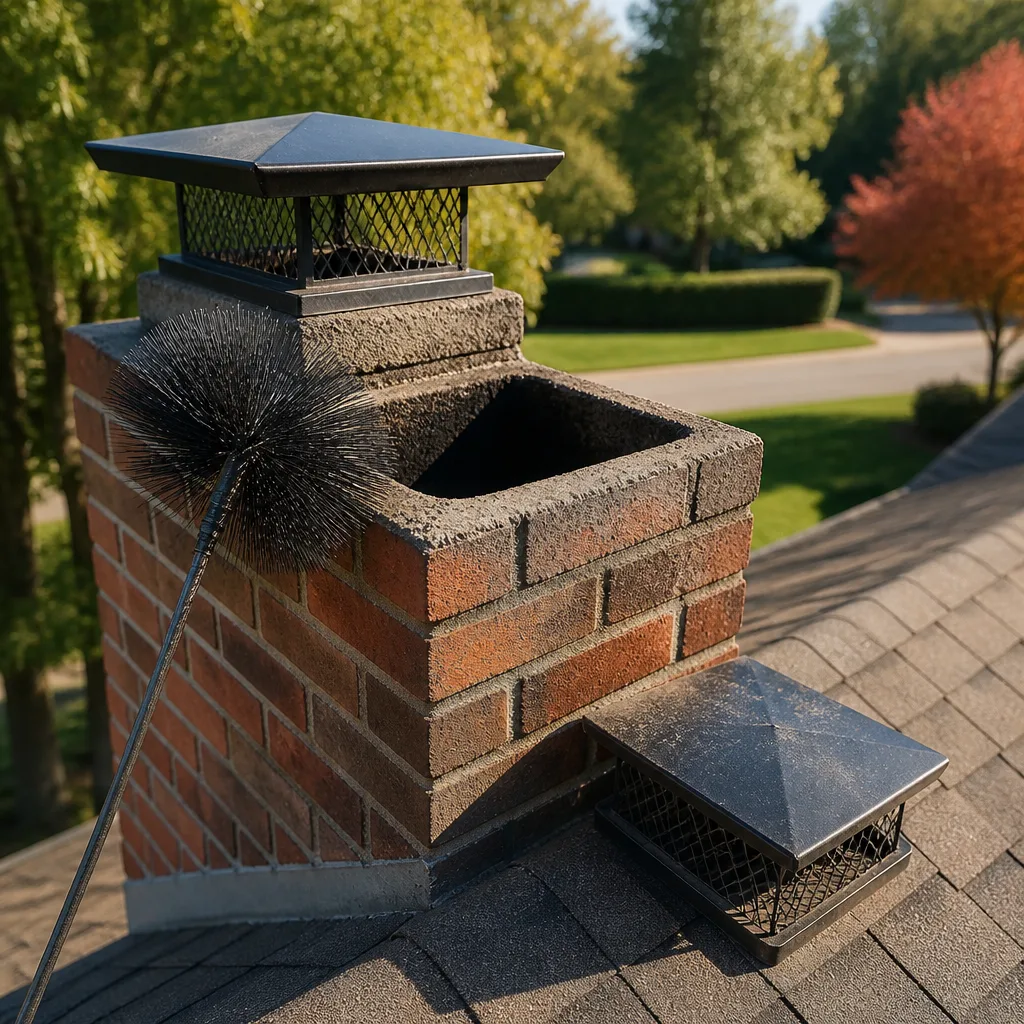
Chimney sweep logs do not sweep chimneys. They loosen some creosote - which then falls where a brush and vacuum still have to collect it.
Seasonal Chimney Cleaning Care for Tacony: Year-Round Homeowner’s Guide
Most Tacony homeowners treat the chimney like a seasonal appliance: sweep it in October, forget it until next October. That habit is exactly why so many chimneys in this neighborhood show cracked crowns and spalling brick decades before they should. The flue is the part you can see smoke from, so it gets the attention. The crown, cap, flashing and exterior masonry are the parts that quietly absorb damage through spring rain, summer humidity and the repeated freeze-thaw cycle of a Philadelphia winter. By the time October arrives, the structural work has already been accumulating for eleven months. This guide walks through each season as its own phase of chimney care, so the sweep you book in fall is a confirmation of good health rather than a rescue mission. We’ll cover what to check, when to check it, and how Tacony’s river-adjacent climate shapes the whole schedule.
Quick Answer
Year-round chimney care in Tacony means addressing a different part of the system each season: spring for post-heating-season inspection and moisture control, summer for cap, crown and masonry work before the fall rains, fall for the sweep and Level 1 inspection before the first fire, and winter for mid-season monitoring of draft and smoke behavior. The annual sweep is the anchor, but the structural envelope – crown, cap, flashing, brick and mortar – needs attention across all four seasons to prevent the freeze-thaw and humidity damage that shortens chimney life.
Styles & brands we work with
- Sweep & inspection
- Caps & crowns
- Flue relining
- Masonry repair
- Gas fireplace service
Table of Contents
- Why Seasonal Care Beats Fall-Only Sweeping
- Spring: What to Do After the Last Fire
- Summer: Cap, Crown and Mortar Inspection Timing
- How the Delaware River Affects Your Brick Chimney
- Fall: The Sweep and Level 1 Inspection Sequence
- Reading Creosote Stages After a Sweep
- Winter: Mid-Season Warning Signs
- Common Mistakes to Avoid
- When to Call a Professional
Why Seasonal Care Beats Fall-Only Sweeping
A fall sweep cleans the flue. It does nothing for the masonry that spent the last ten months absorbing water. That’s the core difference between a cleaning-only approach and full-system chimney care, and it’s why we diagnose the whole chimney rather than just running a brush down the flue.
Chimney damage in Tacony follows a predictable annual rhythm. Water gets into the brick and mortar during spring and summer rain. That water freezes and expands during winter cold snaps, then thaws, then freezes again. Each cycle pushes mortar joints apart a little more and flakes the face of the brick. By the time you notice a crack in the firebox or a stain on the ceiling, the process has been running for several seasons.
Here’s what seasonal care actually protects:
- The flue and firebox – creosote accumulation and liner condition, addressed at the fall sweep.
- The crown – the concrete cap at the top of the stack that sheds water away from the masonry. A cracked crown is the single most common entry point for water damage.
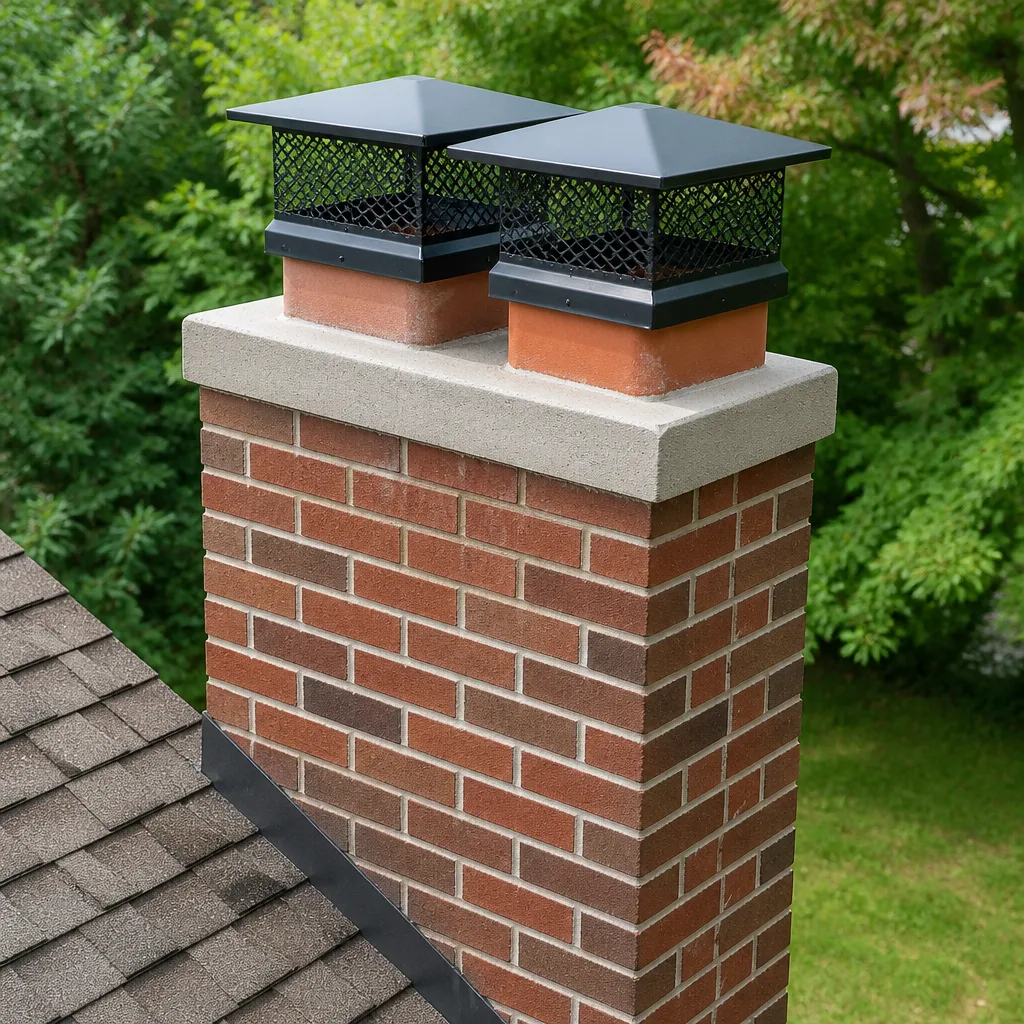
- The cap and spark screen – keeps rain, birds and debris out of the flue year-round.
- Flashing – the metal seal where the chimney meets the roof. Failed flashing lets water run down the outside of the chimney and into the attic.
- Exterior masonry – brick, mortar joints and any wash erosion, which worsen fastest in the wet months.
The point isn’t that you need four service visits a year. Most homes need one professional sweep and inspection annually, plus a homeowner’s eye on the exterior through the other seasons. That exterior attention is what catches small repairs before they become a rebuild. From our experience, the chimneys that last are the ones where someone looked up at the crown in June, not just down the flue in October. If you want a single specialist handling everything from the sweep to the structural work, that’s what Chimney Sweep Tacony covers.
Spring: What to Do After the Last Fire
Spring is the season most homeowners skip, and it’s the one where the most preventable damage happens. Once the last fire of the season burns out, you have a chimney full of creosote sitting idle for months in warming, humid weather. That’s the moment to book the sweep – not September.
The reason is moisture. Creosote is acidic, and when it sits against a liner in a damp, warming chimney through spring and summer, it keeps working on the metal or clay. A flue left dirty through the off-season enters fall in worse condition than it would if it had been cleaned in April or May. Sweeping in spring removes the residue before the humid months arrive.
Spring is also the right time for a full exterior look, because you can see the year’s damage before the foliage gets thick and before fall rain. Here’s a spring walkthrough you can do yourself from the ground:
- Look at the crown from the ground. Any visible crack, or a crown that looks like it’s pulling away from the flue, needs a professional look.
- Check the cap and spark screen. A missing or rusted-out cap lets rain straight into the flue.
- Scan the brick face for white chalky stains or flaking. That’s efflorescence and spalling, both signs water is moving through the masonry.
- Look at the flashing where the chimney meets the roof. Lifted or missing flashing means water is getting behind it.
- Check the firebox and damper for rust or debris. Rust inside the firebox after a dry winter is a sign of a water problem above.
- Note any staining on interior ceilings or walls near the chimney. That’s water finding its way inside and worth a professional diagnosis.
None of that requires climbing on the roof. A ground-level look plus a call to book a spring sweep catches most of it. Waiting until September means any moisture issue you could have spotted in April has had five more months to work.
Summer: Cap, Crown and Mortar Inspection Timing
Summer is the season to fix the exterior – before the fall rains and the first freeze. The cap and crown work you put off in June is the repair you’re paying for twice when it fails in November. This is the phase where chimney cap & crown work gets scheduled, and here’s why the timing matters.
The crown is the concrete or masonry slab at the very top of the chimney that slopes and sheds water away from the stack. When it cracks, water runs down inside the chimney between the liner and the outer brick, or soaks into the masonry from above. That’s the classic path to a failed liner and a stained ceiling. Catching a cracked crown in summer means it can be repaired before the water has a full rainy season to work through the wall.
Mortar wash is the other summer concern. Mortar wash erosion is when the mortar between the bricks wears back and recedes from the brick faces, leaving the joints recessed. It starts on the windward side and on the top courses where rain hits hardest. Left alone, the brick edges lose support and start to spall. You can spot it from the ground as a washed-out, uneven look to the joints, especially near the top of the stack. A professional inspection determines whether it’s tuckpointing and repointing or something more.
Summer is also when cap installation is worth prioritizing:
- A chimney cap with a spark screen keeps rain, birds, squirrels and debris out of the flue year-round. It’s the cheapest protection for the inside of the chimney.
- Quality caps from recognized trade brands like Famco hold up better to our weather cycles than the thin sheet-metal boxes on some builder-grade chimneys.
- Caps and crowns should be inspected and repaired before fall rain and before the freeze, because that’s when water intrusion does the most damage.
If your crown is cracked or your cap is missing, summer is the repair window. Do it before the weather turns and you’ll enter the heating season with a chimney that isn’t taking on water.
How the Delaware River Affects Your Brick Chimney
Tacony sits close to the Delaware River, and that proximity shapes how moisture moves through brick and mortar over the course of a year. It’s not a dramatic effect you can see, but it shows up in how fast masonry deteriorates here compared with drier inland locations.
Riverside air carries more humidity. Chimney brick is porous, and it draws that moisture in. Through the humid summer months, brick and mortar can stay damp well after a rain because the ambient air is already saturated. Then winter cold arrives and any moisture inside the masonry freezes and expands. The freeze-thaw cycle is what actually breaks bricks apart, and a chimney that stayed wetter through summer enters winter with more water in it to freeze.
That’s why waterproofing treatment timing matters for Tacony chimneys. A breathable masonry water repellent applied to the exterior brick slows how much water gets in while still letting the masonry dry out. Applied in the warm, dry part of the year – late spring or summer – it has time to cure before the wet fall and the freeze. Applied in wet weather or on a chimney that’s already saturated, it can trap moisture inside, which is the opposite of what you want. Timing matters as much as the product.
This is also why we look at the exterior masonry as a moisture system rather than a cosmetic issue. Spalling brick, receding mortar and a damp chimney base are all telling you the same story: water is getting in and not getting back out fast enough. If that story is showing on your Tacony chimney, a summer inspection is the right first move.
Fall: The Sweep and Level 1 Inspection Sequence
The fall sweep is the anchor of annual chimney care, and it should come before the first fire of the season, not after. Here’s what a proper fall service actually involves, so you know what you’re paying for.
The routine inspection that accompanies a sweep is what the trade calls a Level 1 inspection. It’s a visual check of the accessible parts of the chimney and firebox with the tools a sweep has on hand, typically without a camera. It confirms the flue is clear, checks for creosote buildup and looks at the visible condition of the firebox, damper and cap. Most homes in normal use need this once a year; if you’ve had a chimney fire, a change in fuel type or a structural repair, a more thorough inspection is the standard.
A typical fall sequence looks like this:
- Book before the first fire. The point of the fall sweep is to enter the heating season with a clean, verified flue.
- Clear the firebox and protect the room. The technician sets up drop cloths and a vacuum so soot doesn’t spread.
- Sweep the flue. A brush matched to your flue type cleans the liner from top to bottom, removing creosote and debris.
- Perform the Level 1 inspection. Visible condition of the firebox, damper, flue, cap and crown gets checked and noted.
- Assess creosote. The sweep reports what stage of creosote was found, which tells you how your burning habits are affecting the flue.
- Report findings and recommend anything needed. You get the condition findings and a written recommendation for any repair.
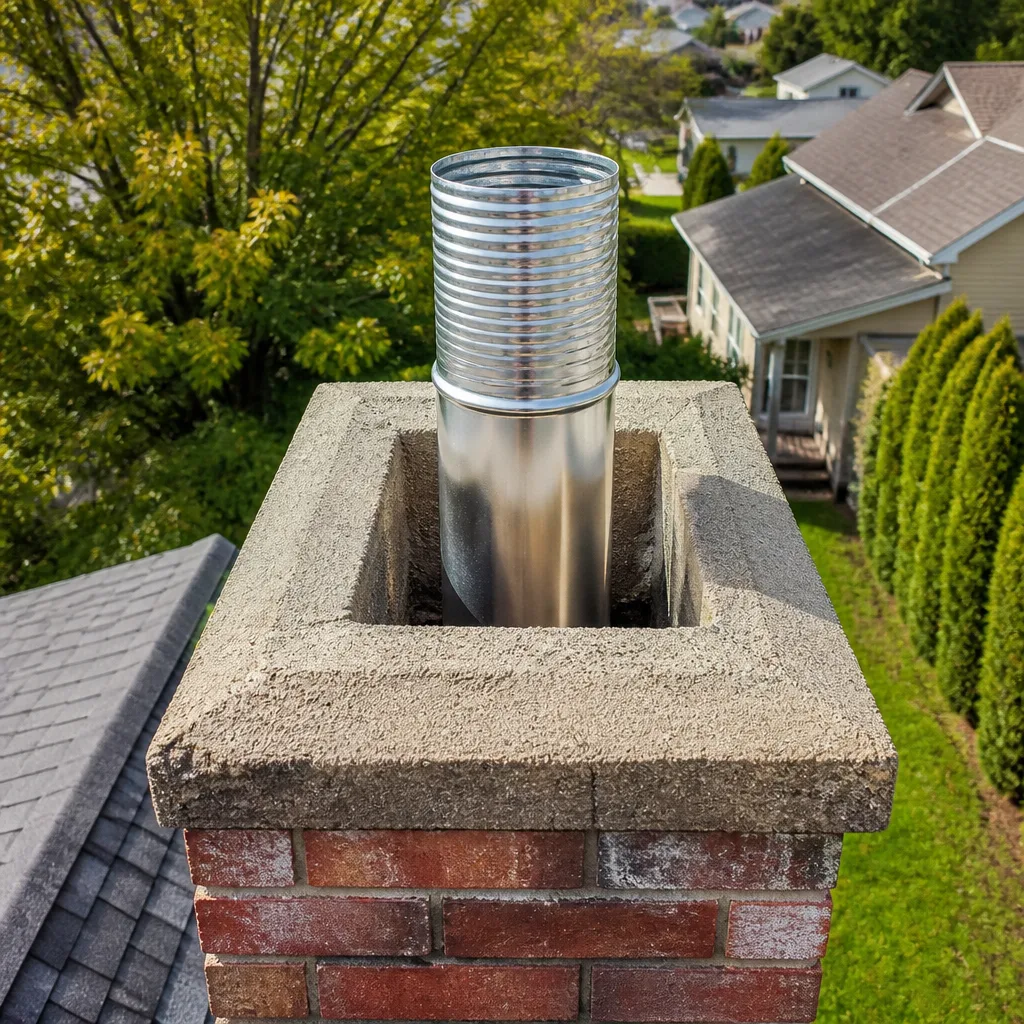
If the inspection turns up a problem with the liner, we look at repair options before recommending replacement. HeatShield is a professional-grade liner resurfacing system we use to extend the life of a chimney that doesn’t need a full reline yet – resurfacing before replacement is the responsible order of operations. When replacement is genuinely needed, a flexible DuraFlex liner system handles older or non-standard flue configurations where rigid liner can’t be installed. Fall is when those conversations happen, and it’s better to have them before the first cold snap than in the middle of it. For a broader look at what chimney sweep service covers, that’s the place to start.
Reading Creosote Stages After a Sweep
When a sweep reports “stage 2 creosote” or “stage 3 creosote,” that’s not jargon – it’s a description of how dangerous your flue was and how your burning habits are affecting it. Knowing the stages helps you understand the report and burn better next season.
- Stage 1 creosote is a light, sooty, flaky deposit. It brushes off easily. This is normal for a well-run fireplace burning seasoned wood.
- Stage 2 creosote is a thicker, crusty or flaky deposit that clings to the liner. It takes more work to remove and signals cooler, smoldering fires or wood that wasn’t fully seasoned.
- Stage 3 creosote is a hard, glazed, tar-like coating that’s difficult to remove and is the most flammable form. It builds up from repeated cool, smoky fires or burning green wood, and it’s the reason a sweep may recommend a professional liner cleaning or liner replacement.
The safest approach is to burn dry, seasoned wood and keep fires burning hot enough to keep creosote from glazing. If your Tacony sweep reports stage 2 or stage 3 creosote, treat it as a signal to change what you’re burning and how, not just to sweep more often. Stage 3 buildup on a compromised liner is the situation where a chimney fire risk is real, and the flue should not be used until it’s cleaned and inspected.
If the report raises a repair question, we’d rather resurface a chimney liner with HeatShield than replace it, and we’d rather replace it than risk a compromised flue. Old brick chimneys and non-standard flues often need a DuraFlex flexible liner to get back to a sound condition. The creosote stage is the starting point for that conversation, not the end of it.
Winter: Mid-Season Warning Signs
Once the heating season is underway, your job is to notice changes. A chimney that worked fine in November and starts acting up in January is telling you something changed – and in winter, those signals are worth paying attention to because they’re about draft, smoke and safety.
Watch for these mid-season warning signs during active use:
- Smoke rolling back into the room when you open the damper or add wood. This can mean a blockage, a draft problem or a damper that isn’t opening fully.
- Weak draft – a fire that’s hard to start, smolders or won’t pull. Cold, dense outside air can affect draft, and so can a partially blocked flue.
- Damper icing – a damper that sticks or won’t open after a freeze. Moisture freezing around the damper is a sign water is getting into the chimney from above.
- A strong creosote or smoky smell that wasn’t there before, which can indicate a buildup problem.
- Any staining or dampness near the chimney on interior walls or ceilings.
None of these mean panic, but they do mean stop burning and get a professional look before the next fire. A mid-season inspection catches a cracked crown that opened up over the freeze, a cap that blew off in a storm or a liner that’s failing before it becomes a bigger repair. Winter isn’t the time to book the exterior masonry work – that waits for summer – but it’s absolutely the time to diagnose a draft or smoke problem and to keep an eye out for the small signs that something upstairs has changed.
Common Mistakes to Avoid
- Waiting until September to book the sweep. By then, the creosote has been sitting against the liner all summer in humid air, and any moisture issue on the exterior has had a full season to worsen. Book in spring.
- Ignoring the crown because the flue works fine. A cracked crown doesn’t affect draft, so you won’t notice it from inside. It’s still the most common entry point for water damage and the most common cause of a failed liner down the road.
- Treating a cap as optional. A missing cap lets rain, birds and debris straight into the flue. It’s the cheapest protection on the whole system and the easiest to skip.
- Burning unseasoned wood. Green or wet wood burns cool and smolders, and that’s what builds stage 2 and stage 3 creosote. Dry, seasoned wood is the single biggest lever on creosote buildup.
- Assuming a chimney fire always sounds like a fire. Some chimney fires are slow and quiet, and a homeowner may never know one happened. That’s why a post-fire inspection matters when you suspect one, and why the annual sweep exists.
- Skipping the exterior walkaround every year. Fifteen minutes on the ground with a pair of eyes on the crown, cap, flashing and brick face catches small repairs before they become structural work.
- Putting off summer masonry work into fall. Repairs scheduled before the fall rains and the first freeze protect the chimney through the season when water damage does the most harm. Late-summer scheduling keeps that window open.
When to Call a Professional
Some jobs are homeowner checks; some need a trained professional and the right tools. Call a professional when you see a cracked or pulling-away crown, damaged cap or flashing, spalling brick or receding mortar, or any water staining inside near the chimney. Call immediately if you suspect a chimney fire, smell creosote strongly, or see smoke rolling into the room during use. And call for the annual sweep and Level 1 inspection, because that’s the check that keeps a small issue from becoming a full rebuild. Our technicians have up to 13 years of experience, and we handle the whole system – sweep, cap and crown, liner installation and rebuild, structural chimney repair, and fireplace repair – so it’s one specialist, one call. Chimney Sweep Tacony offers free estimates in Tacony; call (833) 370-3312.
See the difference
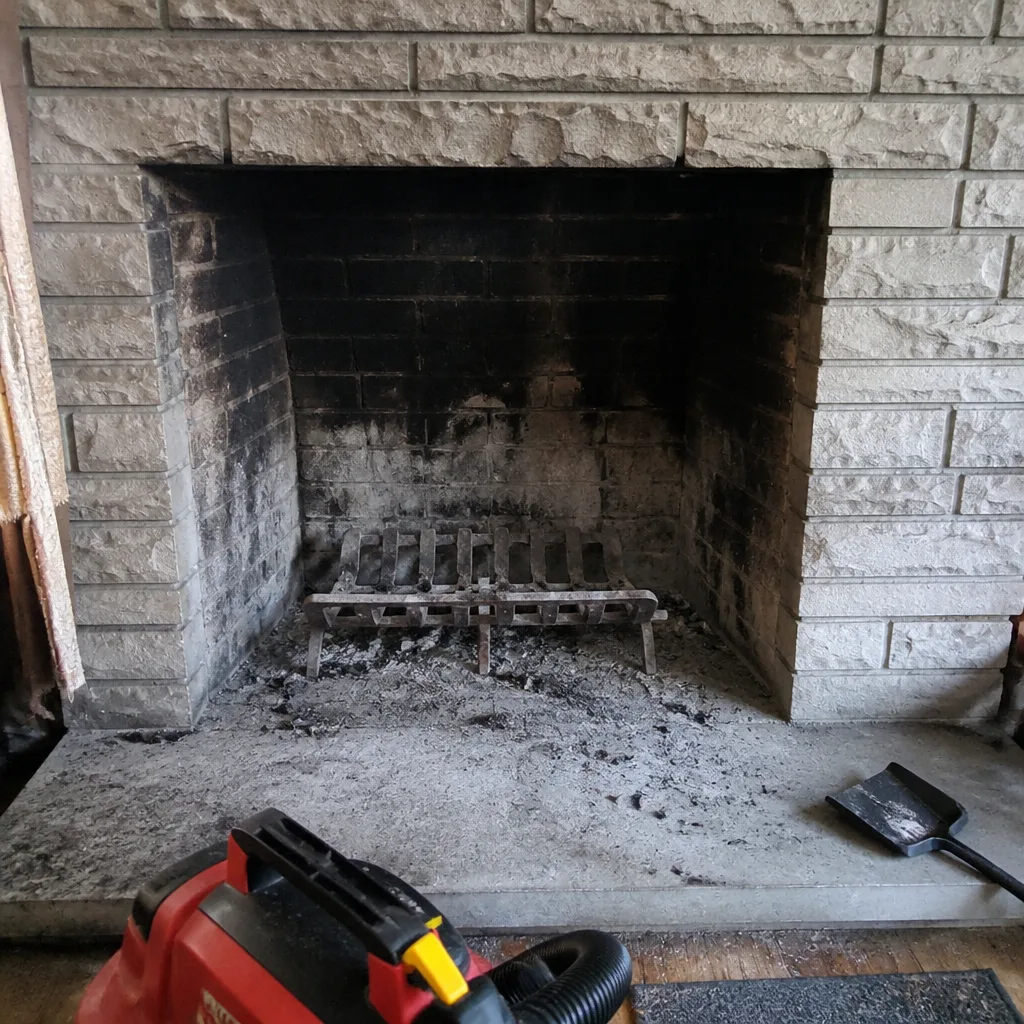 Before
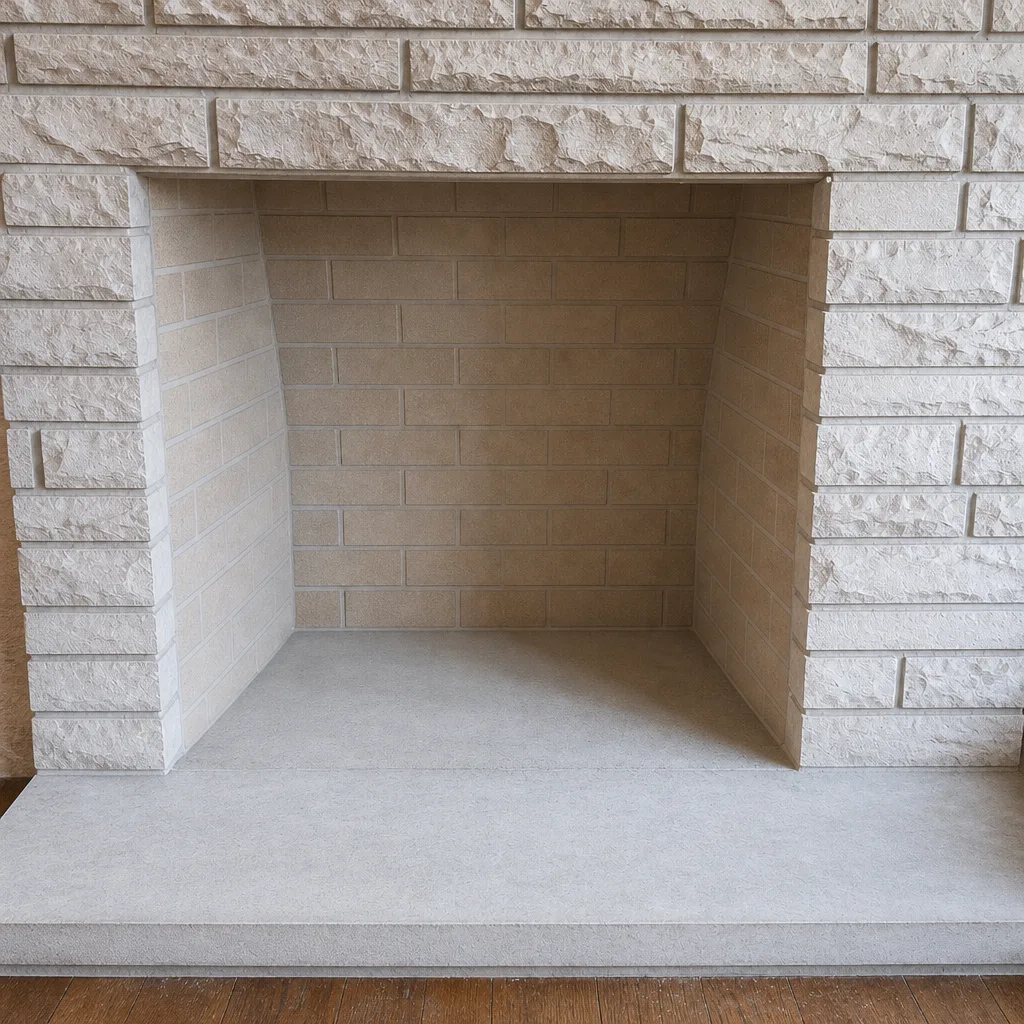 After
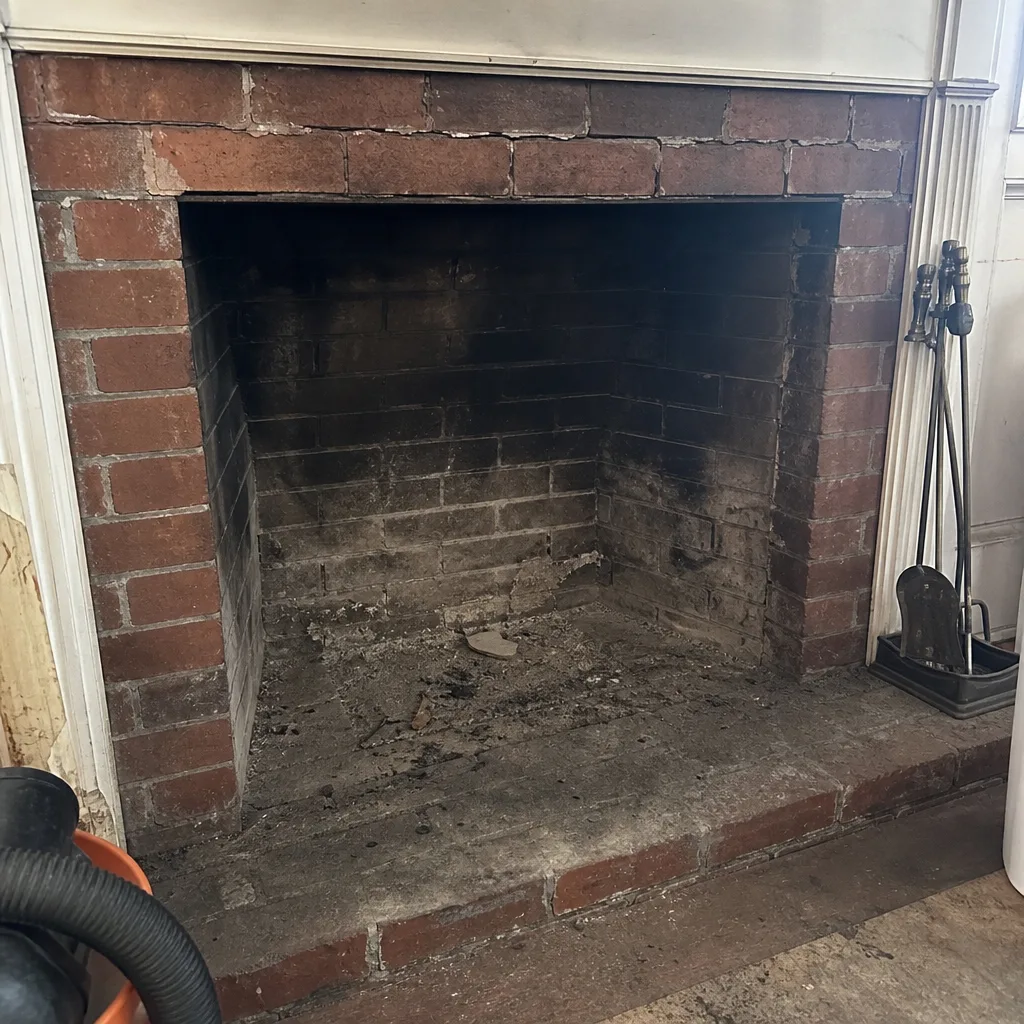 Before
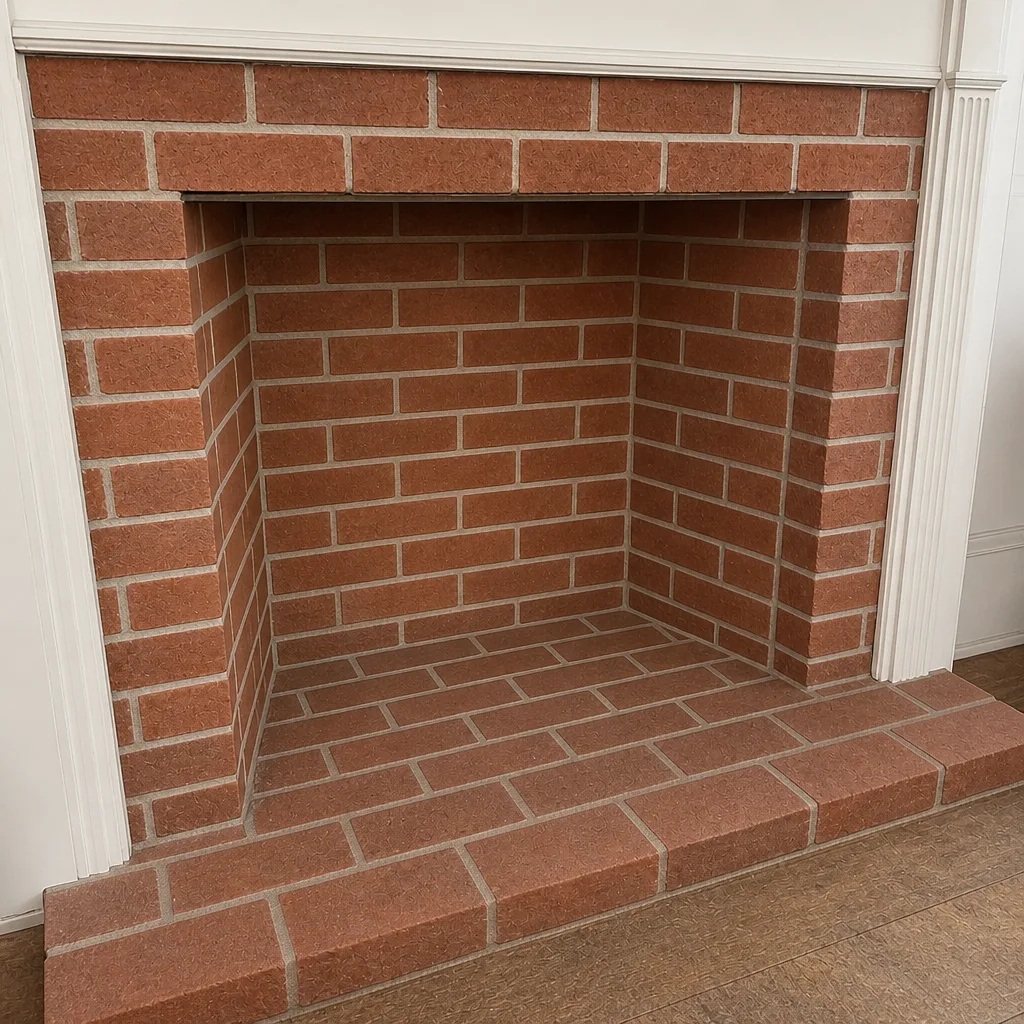 After
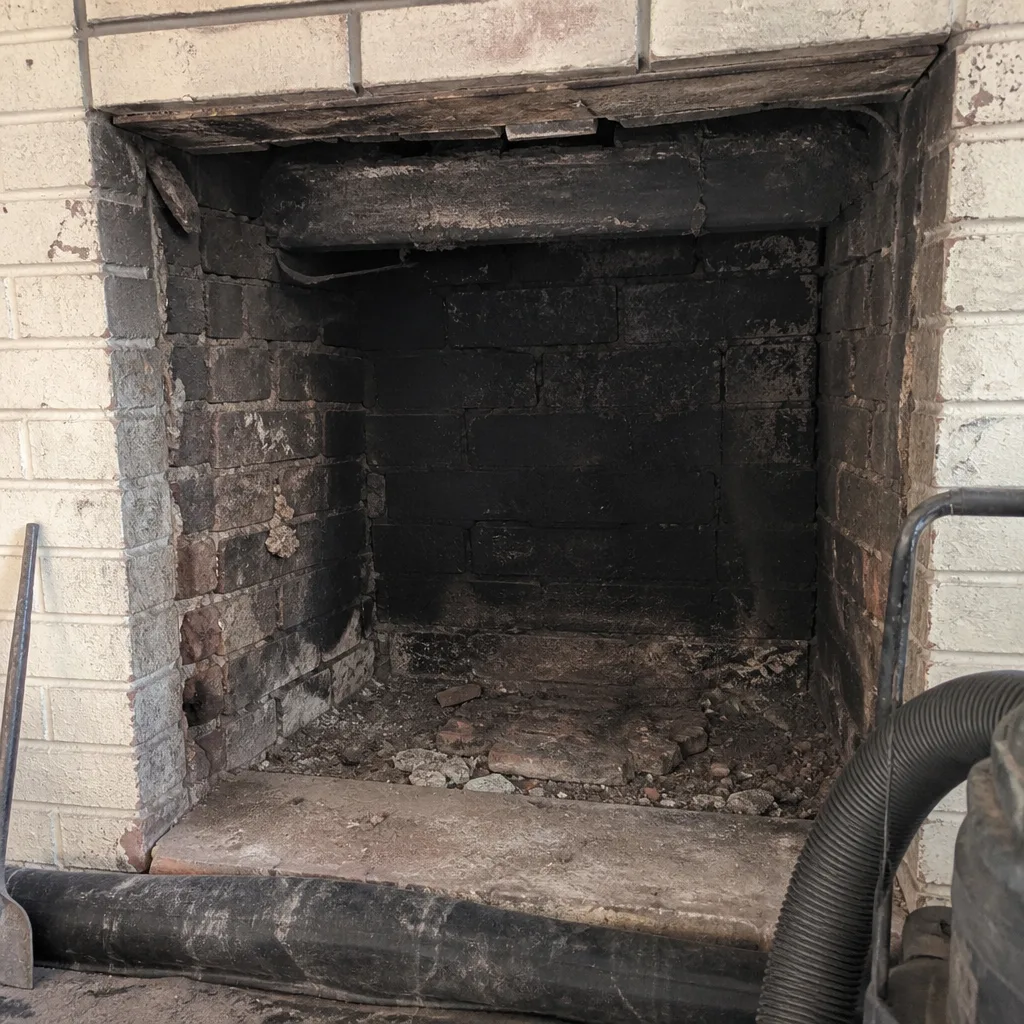 Before
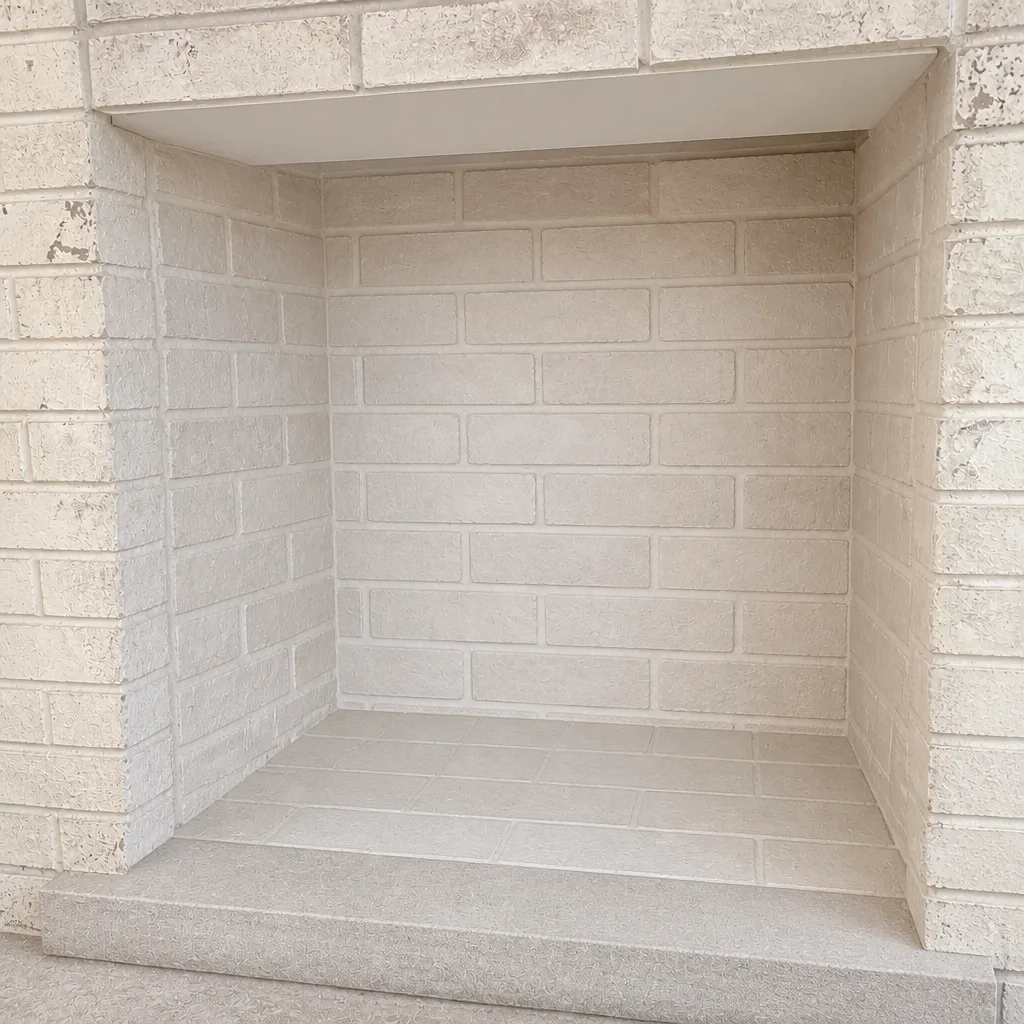 After
Frequently Asked Questions
The annual sweep and Level 1 inspection is the core cost, and a structural repair like a crown replacement or liner resurfacing is priced separately once the condition is known. We put the price in writing before any work is booked, so you know what the sweep and any recommended repair will cost before you commit. The written estimate is what sets the final price, and the estimate itself is free. Call (833) 370-3312 for an exact quote.
Once a year for a home in normal use is the standard, and it should come before the first fire of the season. Heavy fireplace use, burning a lot of unseasoned wood or a history of stage 2 or stage 3 creosote can mean a more frequent sweep. The best approach is to book in spring so the flue isn’t sitting dirty through the humid summer. Call (833) 370-3312 to get on the schedule.
Not every liner problem needs replacement. When the liner is still structurally sound but has surface wear, HeatShield liner resurfacing can extend its life without the cost of a full reline. When the liner is cracked, damaged or the flue configuration is non-standard, a DuraFlex flexible liner is the recognized solution. We don’t recommend a new liner without evidence of the condition, and we always explore resurfacing first. Call (833) 370-3312 to talk through what your flue needs.
Winter is when you’re actually burning, so problems that were there all year become visible. Smoke rolling into the room, weak draft and a sticking damper are winter signals, often caused by a partial blockage or moisture freezing around the damper. If your chimney changes behavior mid-season, stop burning and get it inspected before the next fire. Call (833) 370-3312.
Riverside humidity is higher, and brick draws that moisture in, so your chimney can stay damp longer through the humid months. That moisture then freezes and expands in winter, and the repeated freeze-thaw cycle is what causes spalling and cracking. That’s why exterior waterproofing is best timed for a warm, dry stretch of late spring or summer. Call (833) 370-3312 to book an inspection.
You can do the ground-level checks: look at the crown, cap, flashing and brick face, and note interior stains. What you shouldn’t do yourself is climb the roof, open the flue to clean it, or diagnose the liner and firebox. Those need a trained professional with the right tools, and some chimney work involves real risk. Call (833) 370-3312 for the parts that need a pro.
The Bottom Line
The fall sweep matters, but it’s the anchor, not the whole job. Tacony chimneys fail early because the crown, cap, flashing and masonry get ignored for eleven months while the flue gets the attention. Spring is the time to book the sweep and control moisture before summer. Summer is the time for cap, crown and masonry work before the fall rains. Fall is the sweep and Level 1 inspection that confirm the flue is healthy before the first fire. Winter is for noticing draft, smoke and icing problems and diagnosing them before they grow. Get the seasons right and the annual sweep becomes routine. Call (833) 370-3312 for a free estimate. We answer 24/7. Fast dispatch from 7am to 7pm, Sunday through Friday.
Written by the team at Chimney Sweep Tacony.